
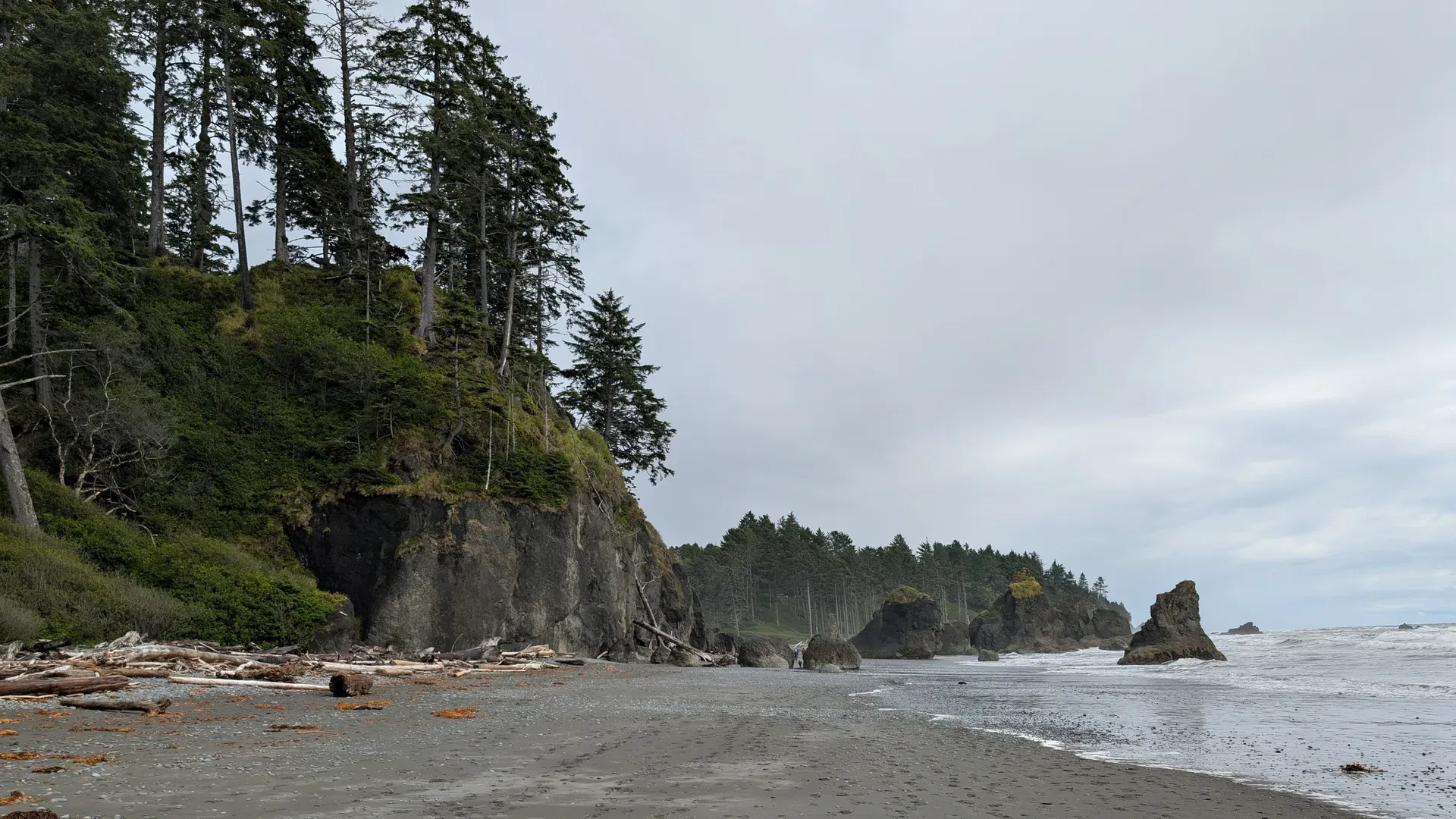
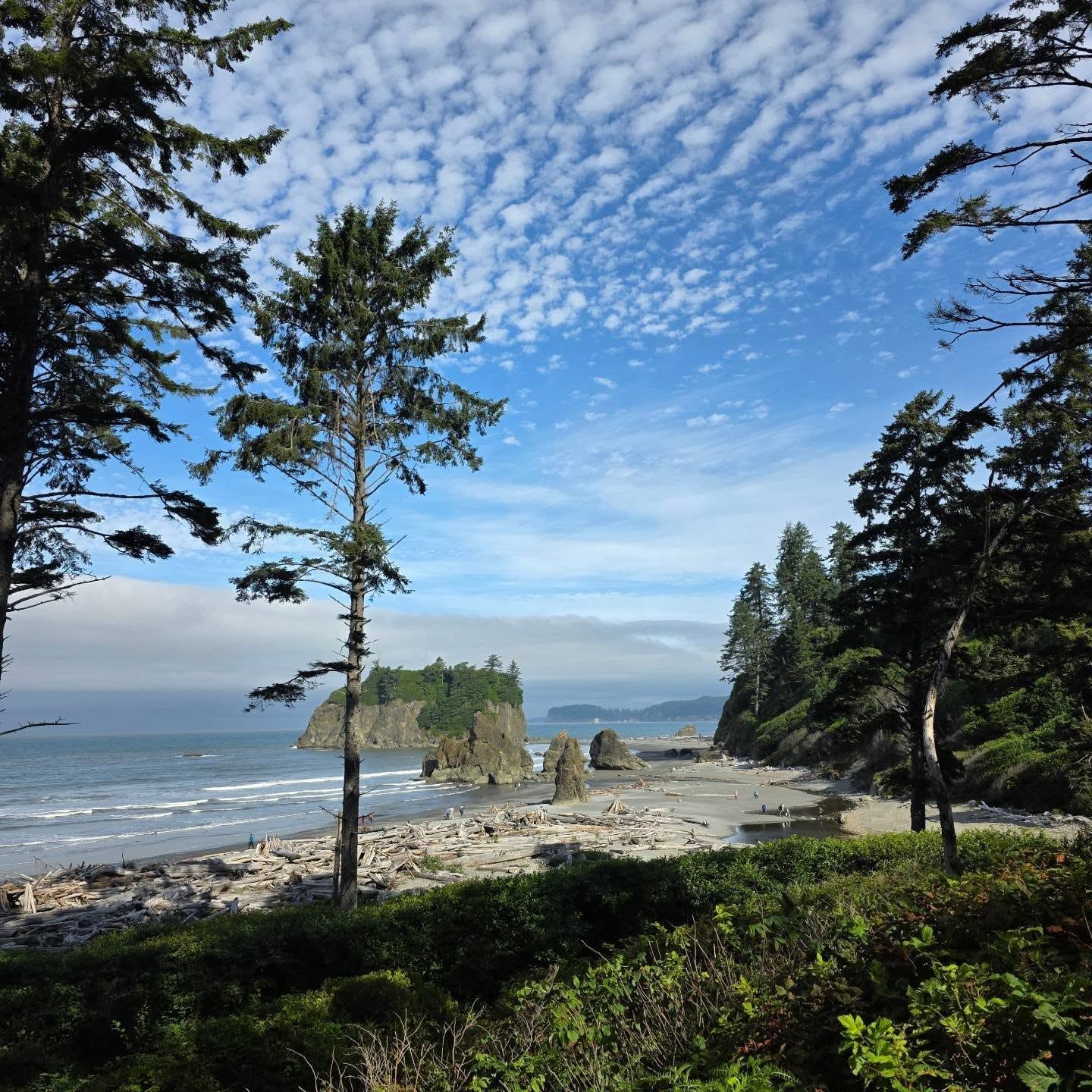
Drive 18 miles from Port Angeles to see Mount Olympus rising 7,980 feet above the tree line, then drop down to the coast to walk among sea stacks and tide pools at Ruby Beach. You can hike through 12 feet of annual rainfall in the Hoh Rain Forest, where massive bigleaf maples hang heavy with thick club moss.
Find Guided ToursOlympic National Park covers 922,651 acres on Washington's Olympic Peninsula, roughly 45 miles west of Seattle. The boundary encloses 70 miles of wild Pacific coastline and old-growth temperate rain forests stretching up to glacier-capped peaks. A strong rain shadow effect splits the peninsula. The Hoh Rain Forest on the western slopes takes on almost 12 feet of rain a year, while the northeast corner stays relatively dry.
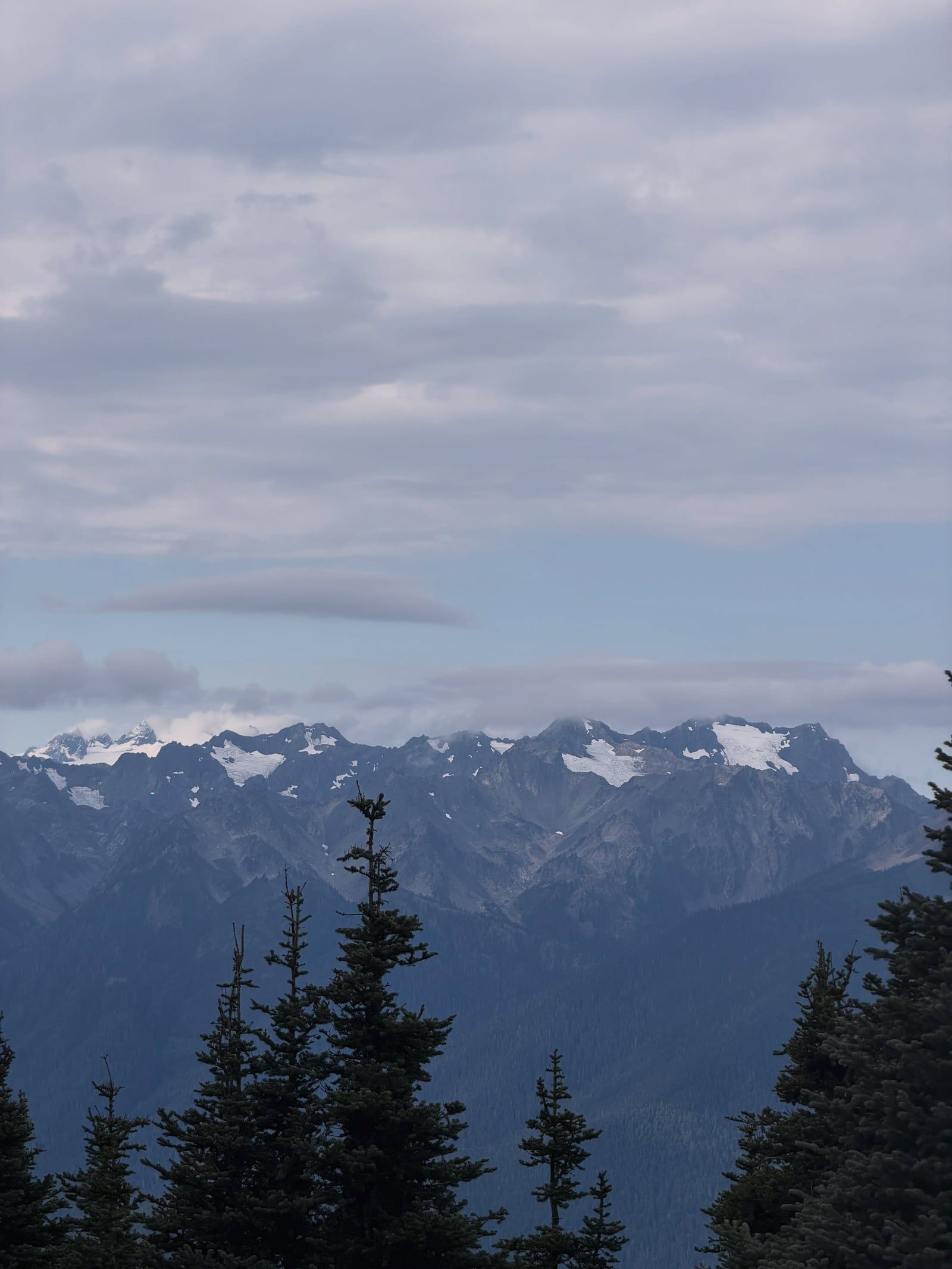
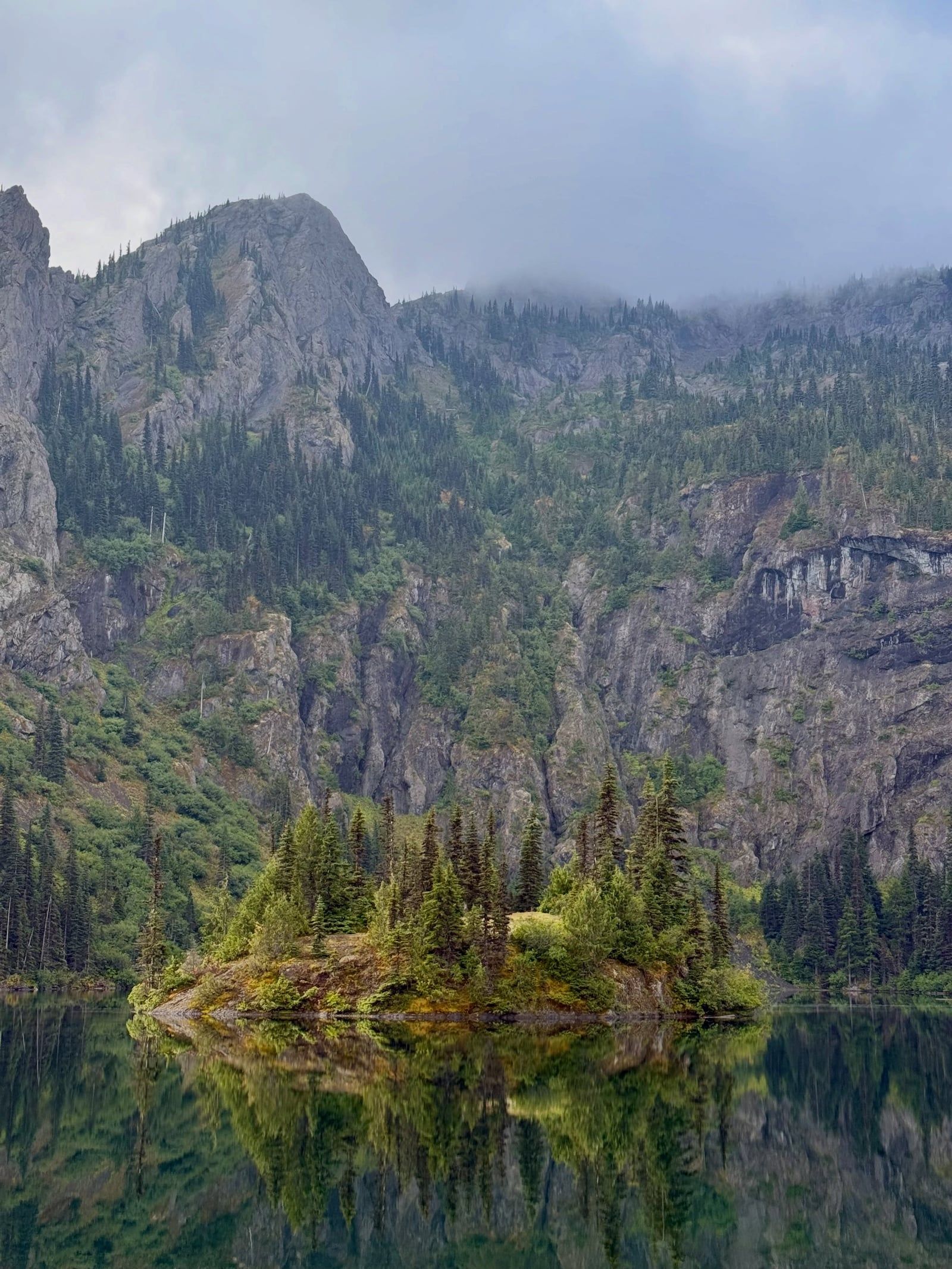
The park is a UNESCO World Heritage Site and an International Biosphere Reserve. Because of its isolation, at least 16 animal and 8 plant species live here and nowhere else on Earth, including the Olympic marmot. Humans have left most of this land alone. Exactly 95 percent of the park is federally designated Wilderness. No roads cross the interior. To see the 32 named glaciers or the 7,980-foot peak of Mount Olympus—which catches 50 feet of snow annually—you have to walk.
Federal protection started in 1897. President Grover Cleveland designated the area as the Olympic Forest Reserve to stop the rapid loss of regional timber. Twelve years later, Theodore Roosevelt established Mount Olympus National Monument to protect a declining population of Roosevelt elk.
Franklin D. Roosevelt toured the peninsula in 1937. Congress passed the enabling legislation the following year, and he signed it into law on June 29, 1938. Throughout the 1930s and 1940s, the Civilian Conservation Corps built the roads and ranger stations that visitors still use today.
Discover the full history and cultural significance on our About page.
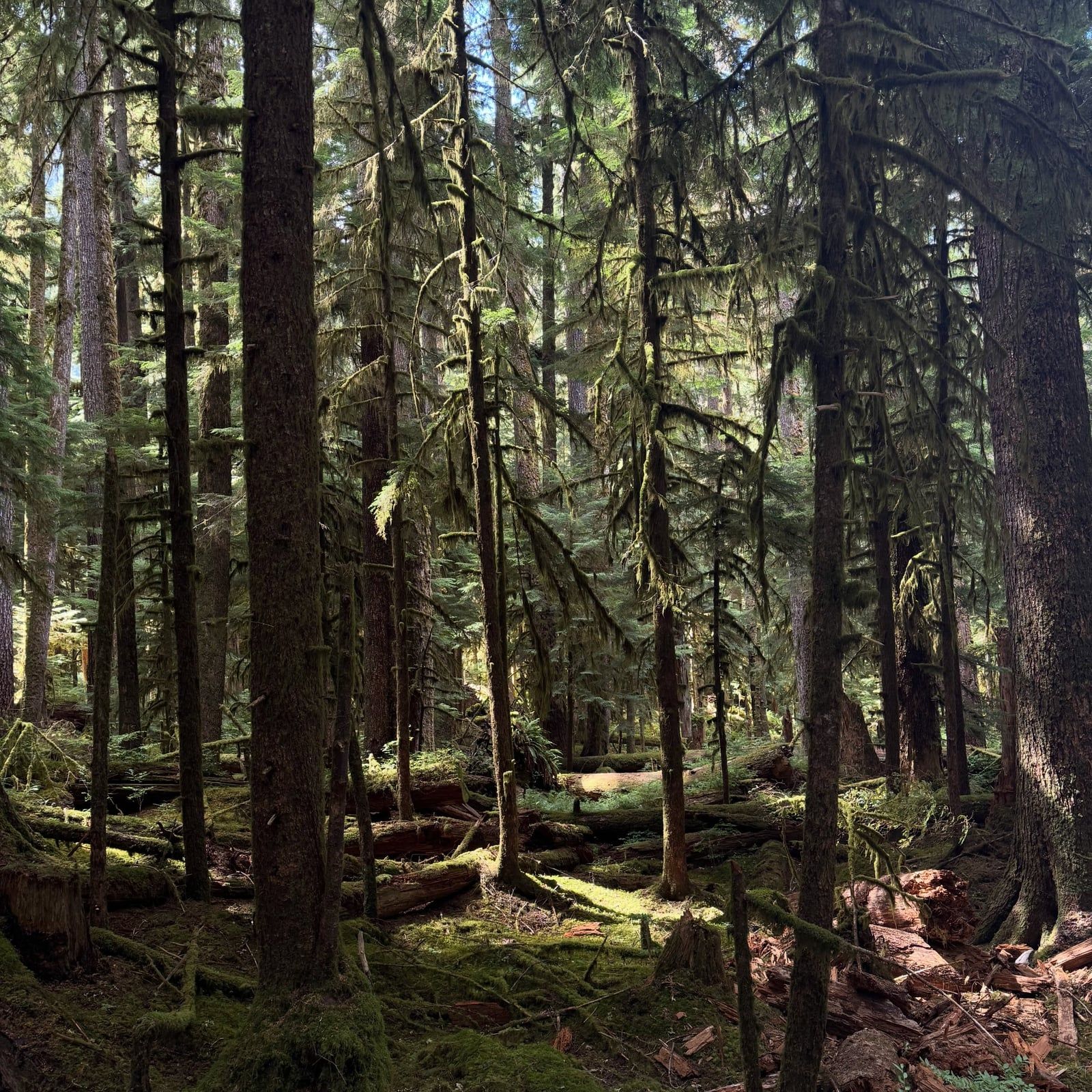
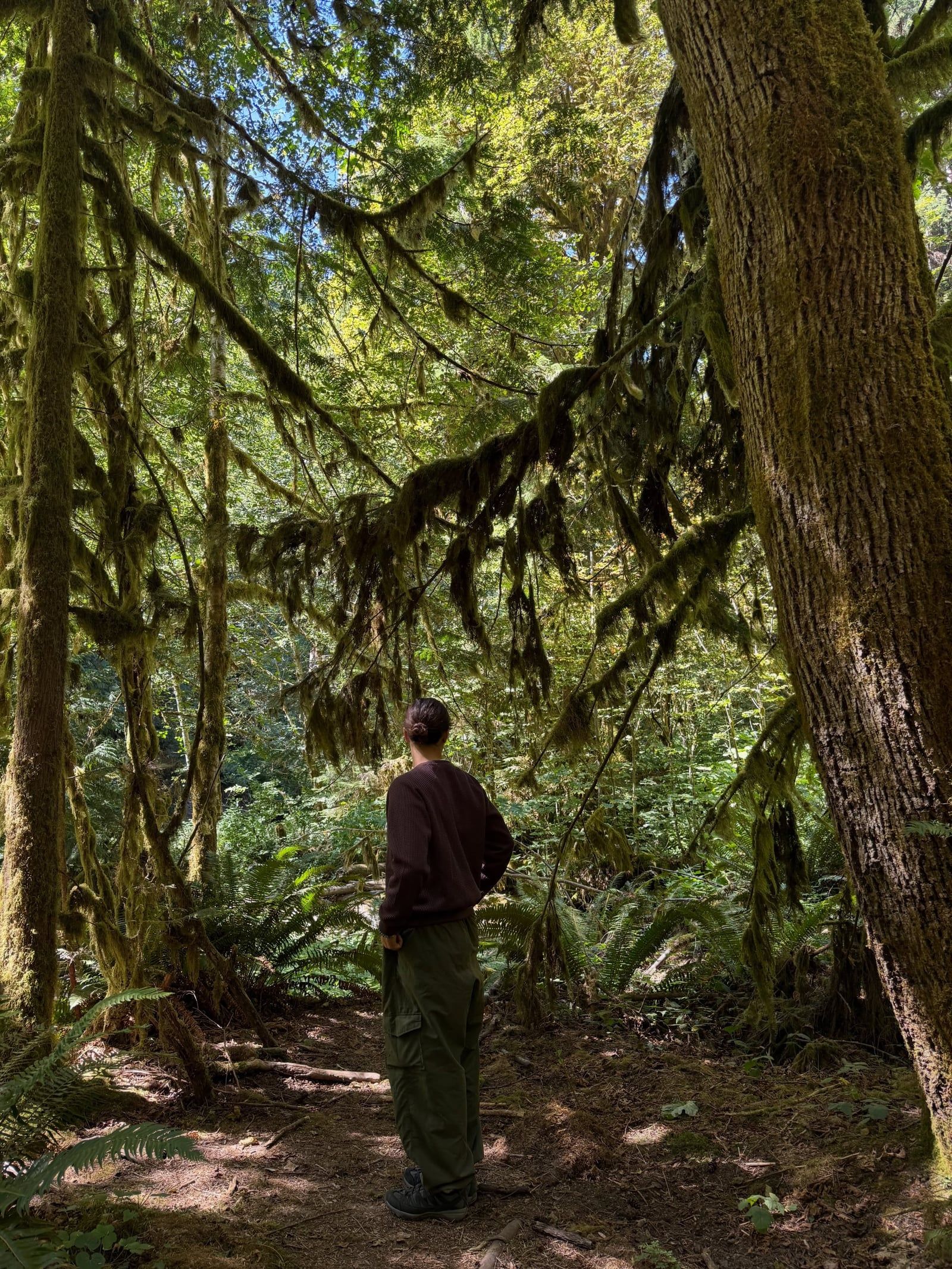
Massive bigleaf maples drip with thick curtains of club moss in the Hoh Rain Forest. The 0.8-mile trail loops through an old-growth canopy that filters green light down to a fern-covered floor. This western slope gets nearly 12 feet of rain annually. Watch for Roosevelt elk herds nearby.
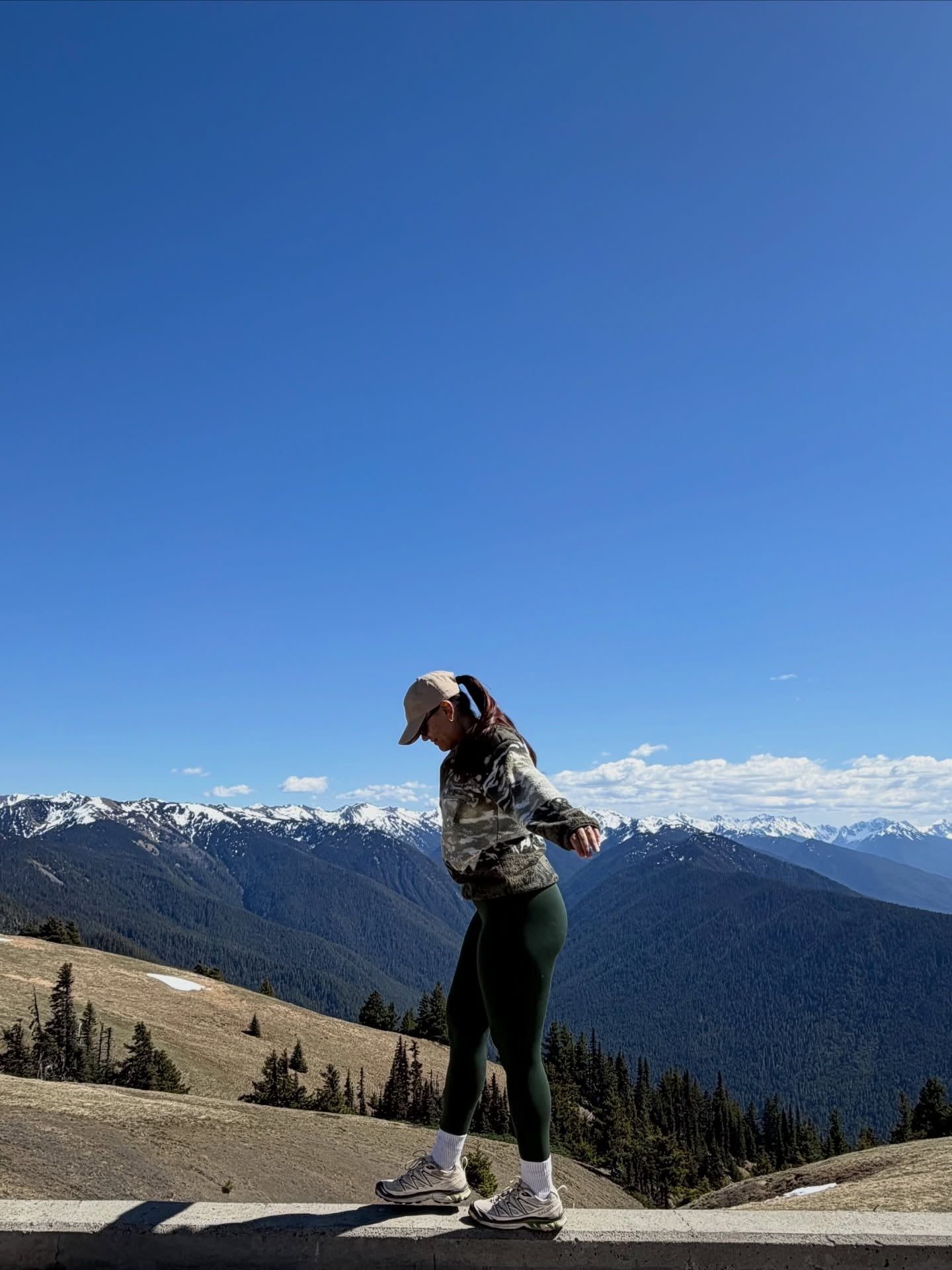
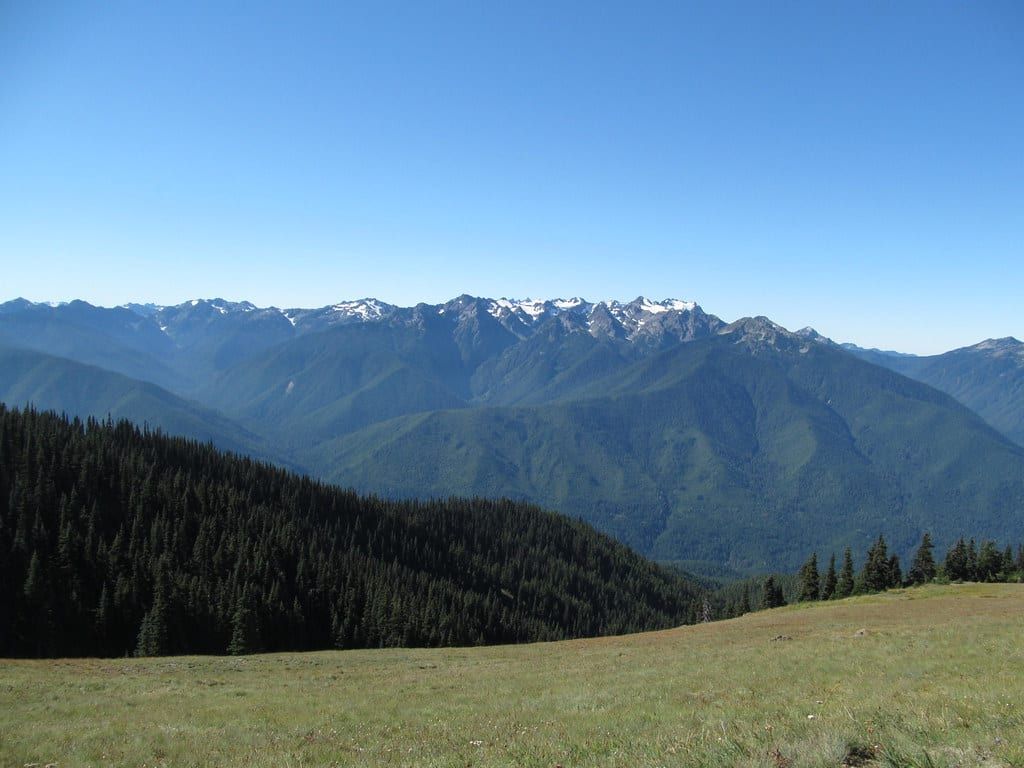
Head 18 miles south of Port Angeles to Hurricane Ridge. Panoramic views of snow-capped peaks open up right from the parking lot. Walk the short subalpine trails. You might spot endemic Olympic marmots sunning themselves on rocks. Come winter, the area transforms into a downhill ski and snowshoe destination.
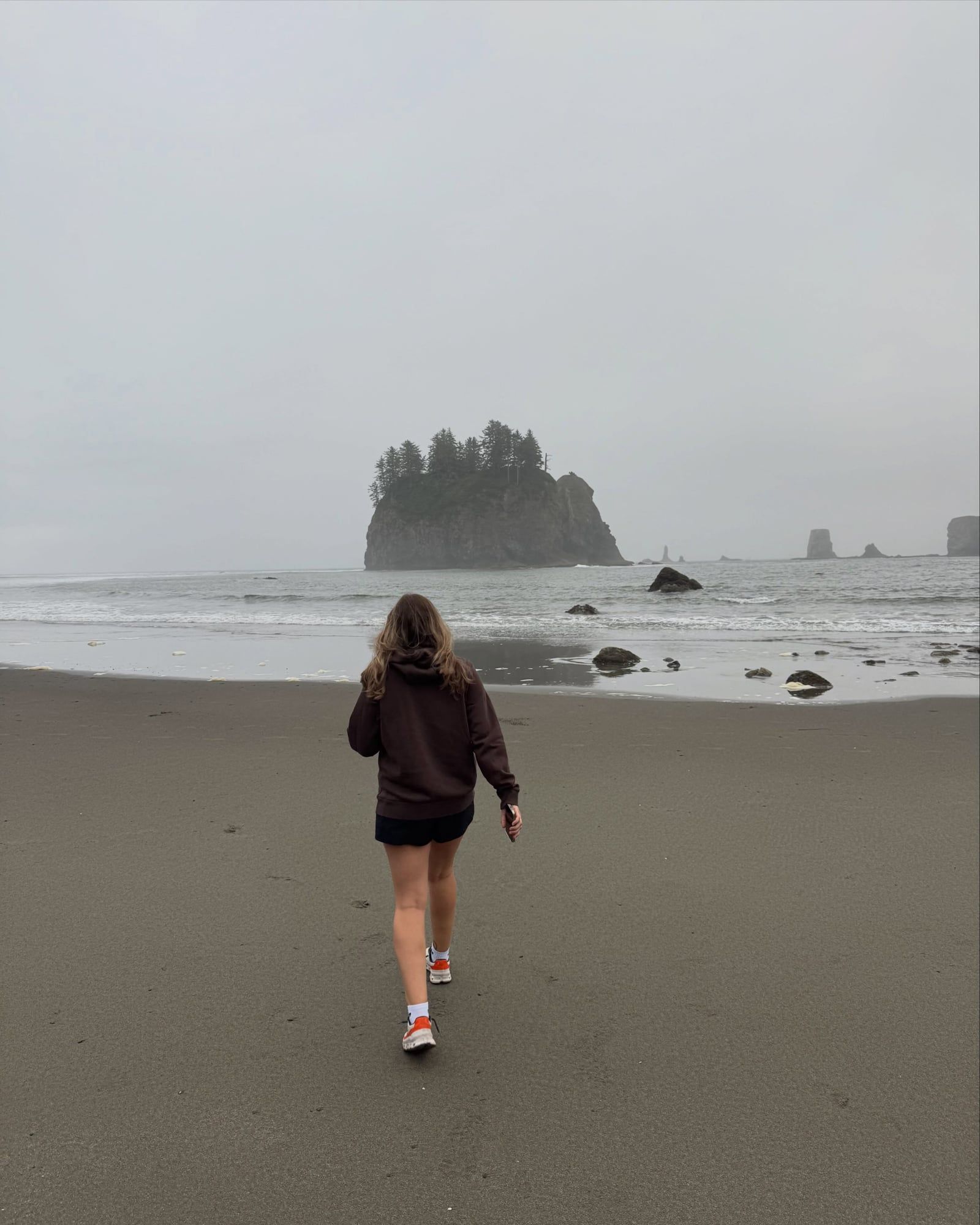
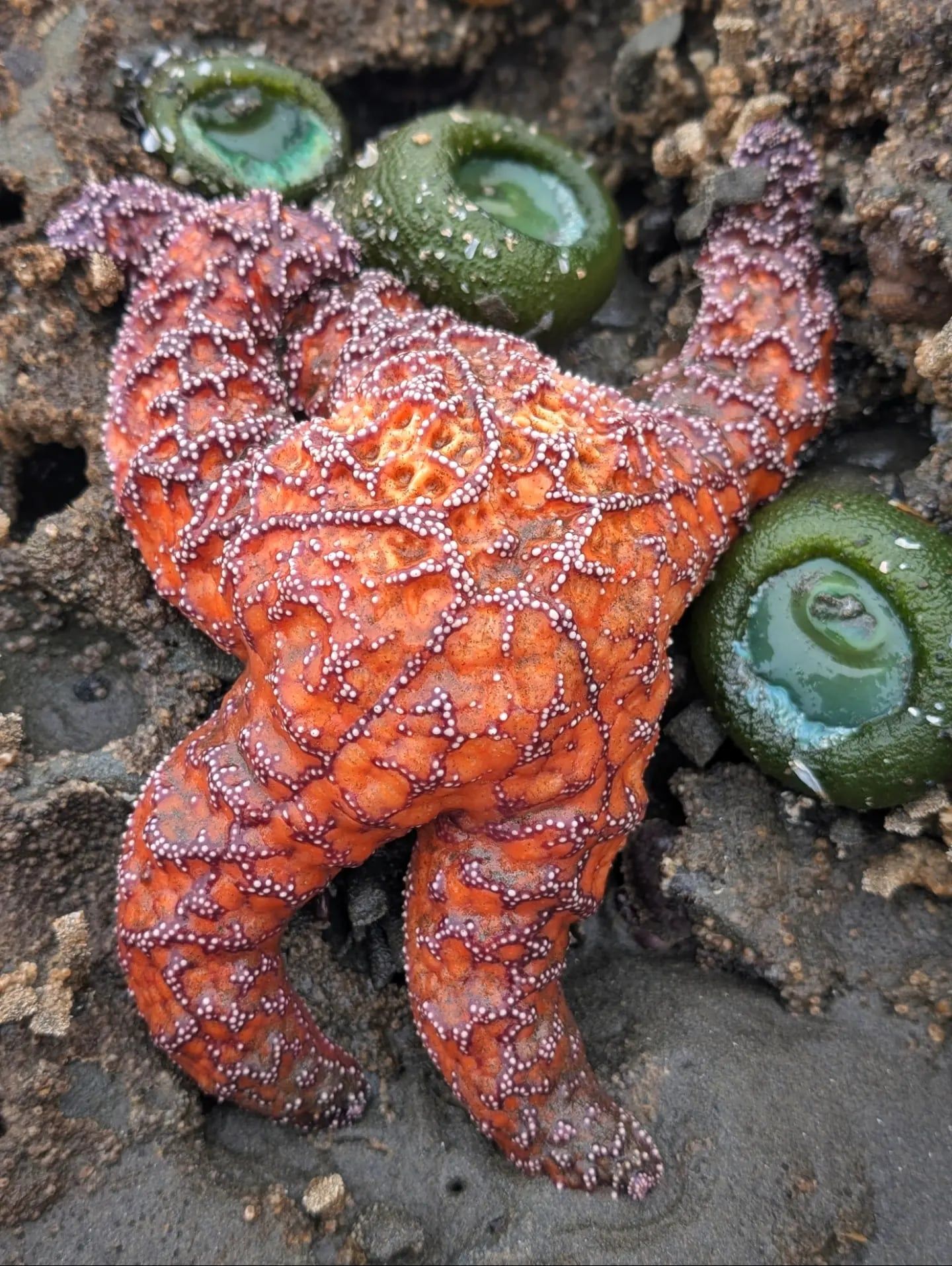
Rialto Beach delivers massive drift logs and dramatic sea stacks. Time your 1.5-mile coastal walk for low tide. That's the only way to reach the Hole-in-the-Wall formation safely. Receding waters reveal tide pools packed with sea stars and anemones. Don't turn your back on the surf—sneaker waves hit hard.
This 9-mile loop on the northwestern coastal strip combines a boardwalk forest trail with miles of wild beach. Halfway through, you'll pass Wedding Rocks. Look closely to find ancient Native American petroglyphs carved directly into the stone. You must carry a tide chart to safely navigate the coastal section.
Compare 10 tours with free 24-hour cancellation, from a $16.99 audio drive to a $368 guided trip with Seattle hotel pickup.
Swipe to see more
 Free Cancellation 12h
 Free Cancellation 11h
 Free Cancellation 13h
 Free Cancellation 9h Free Cancellation 12h Free Cancellation 11h Free Cancellation 13h
 Free Cancellation 12h 30min
June through September is the most reliable window to visit. You get the mildest weather, nearly 17 hours of daylight, and full access to mountain roads and campgrounds.
March brings heavy rain and frequent road closures, but conditions improve significantly by May. Late spring offers almost identical access to summer with noticeably fewer people on the trails.
This is the busiest window. You'll find the mildest weather, fully open facilities, and long daylight stretching from roughly 5 am to 10 pm near the summer solstice.
September delivers excellent access and smaller crowds. By November, the park shifts into its wettest period, bringing heavy rain, frequent storms, and closures on higher elevation mountain roads.
Expect the heaviest rainfall, shortest days, and frequent facility closures. Hurricane Ridge occasionally opens on weekends for snowshoeing and skiing, but bad weather can shut the mountain road entirely.
Olympic National Park never closes. You can cross the boundary 24 hours a day, 365 days a year. But services scale back when winter hits. From October through May, expect seasonal closures for many roads, campgrounds, and high-elevation facilities. The main Olympic National Park Visitor Center in Port Angeles operates daily from 9 am to 5 pm. It locks its doors on Thanksgiving, Christmas Eve, and Christmas Day. Hurricane Ridge Road and all other visitor centers also close for Thanksgiving and Christmas.
| Category | Price |
|---|---|
| Private vehicle (valid for 7 days) | $30 |
| Motorcycle (valid for 7 days) | $25 |
| Individual on foot or bicycle (valid for 7 days) | $15 |
| Olympic National Park Annual Pass | $55 |
| Drive-in camping | $15-$24 per night |
| Wilderness camping permit (ages 16+) | $8 per night, plus a $6 reservation fee |
| Wilderness camping permit (ages 15 and under) | Free, plus a $6 reservation fee |
No reservation is required to drive into the park. Backcountry campers must book Wilderness Camping Permits through recreation.gov before arriving. During peak summer months, reserve drive-in sites at Hoh, Kalaloch, Fairholme, Mora, Sol Duc, and Staircase well in advance. Standard entry fees are waived if you carry an America the Beautiful, military, senior, 4th-grade, or access pass.
For complete schedules and ticket prices, visit our Hours & Fees page.
Highway 101 forms a ring around the Olympic Peninsula, connecting all major park entrances since no roads cross the interior. Most visitors arrive from Seattle by crossing Puget Sound on a ferry or driving south through Olympia.
📍 Port Angeles, Washington
Driving south from Seattle means taking Interstate 5 to Olympia before catching Highway 101. This highway loops around the entire peninsula. It connects to every park destination. If you start in Tacoma, take State Route 16 to Bremerton, then head north on SR 3 to SR 104. You'll cross the Hood Canal Bridge, but watch out for temporary closures from boat traffic.
Washington State Ferries run across Puget Sound, cutting out the long drive south. You board at Colman Dock in Seattle and sail to Bainbridge Island. Alternatively, take the Edmonds route to Kingston. Once off the boat, drivers connect directly to Highway 101 to reach Port Angeles. Fares fluctuate by season and depend on whether you bring a vehicle.
Most out-of-state travelers fly into Seattle-Tacoma International Airport. From the terminal, you rent a car and head toward the peninsula. You can either drive south through Olympia via I-5 or take a Puget Sound ferry. A vehicle is essential here. Without one, reaching trailheads at the Hoh Rain Forest or Lake Quinault becomes extremely difficult.
Clallam Transit operates local buses across the peninsula. Routes connect Port Angeles to coastal communities like Forks, La Push, and Neah Bay. You can reach Lake Crescent easily enough. But service to interior mountains like Hurricane Ridge remains severely limited. Check the agency's website for current schedules before relying on buses to reach specific trailheads.
For detailed transport options and routes, visit our Directions page.
Parking lots at Hurricane Ridge and the Hoh Rain Forest fill fast. Once they reach capacity, rangers meter entry. You'll wait up to two hours just to get in. Arrive before 10 am or after 4 pm to skip the backup. Have a backup plan if you arrive midday.
Do not hike beaches like Rialto or Ozette without a free tide chart from a visitor center. Headlands become impassable at high tide. Sneaker waves can sweep you off coastal rocks without warning. Plan routes like the 1.5-mile walk to Hole-in-the-Wall specifically for low tide.
No roads cross the park's interior. You have to drive around the peninsula on Highway 101 to reach different ecosystems. Check the official mileage chart before setting out. Budget at least three days if you want to see the mountains, rainforest, and coast on a single trip.
Chemical treatments like iodine will not kill cryptosporidium or giardia in the park's coastal streams. You must boil or filter your drinking water. This applies everywhere in the backcountry. If you camp overnight, remember to book your $8 wilderness permit and pay the $6 reservation fee online first.
Dogs are banned on nearly all trails and inside the wilderness. You can only walk leashed pets on paved or dirt roads, in campgrounds, and on a few specific paths. Try the 0.1-mile paved Madison Falls Trail or the 6.5-mile Spruce Railroad Trail if you bring an animal.
Temperatures often swing 20 degrees in a single day. Coastal fog lingers even when the forecast promises sun. Pack waterproof layers and sturdy boots for slippery rocks. Call 360-565-3131 before you drive to high elevations like Hurricane Ridge to check for sudden closures or storms.
This refuge holds the longest natural sand spit in the United States. You can hike directly out to a historic lighthouse while watching for coastal birds. It makes a straightforward half-day detour.
Known mostly for the Twilight books, this town works as a practical basecamp for the park's western side. Hit the local diners and motels before tackling the Hoh Rain Forest or Rialto Beach.
This protected marine zone borders the park's coastline. It shelters kelp forests, seabird colonies, and marine mammals. Add it to your itinerary when exploring the tide pools at Ruby or Rialto beaches.
Read what travelers share about their experience visiting Olympic National Park — from practical tips to personal highlights.
Planning advice, comparisons, and practical tips.
Both parks sit within a half-day drive of Seattle, and they deliver opposite versions of Washington. Olympic spreads 922,651 acres across the Olympic…
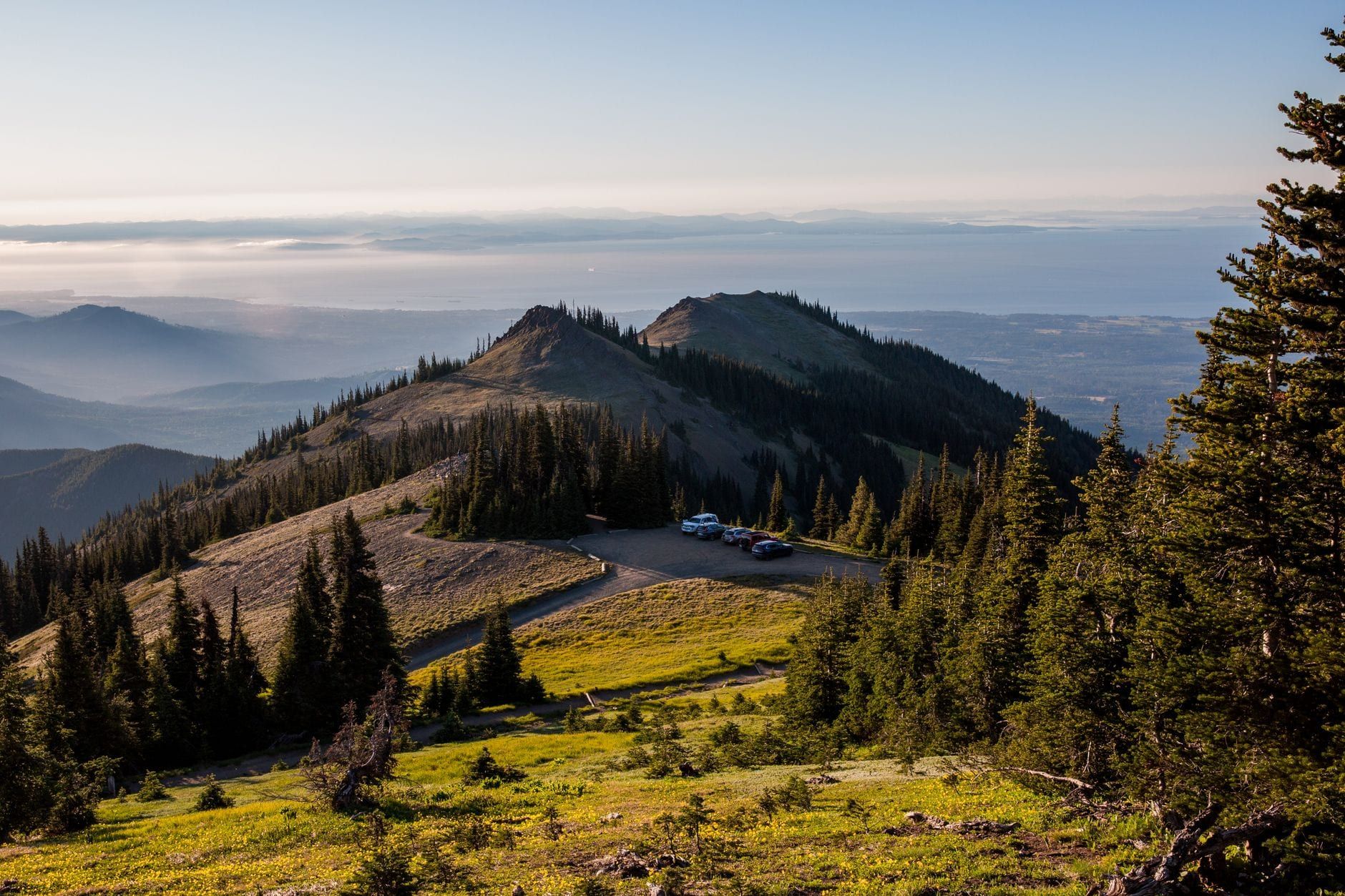
Olympic National Park is one of the best national parks in the country for families, and the reason is simple: in a single trip your kids can stand…
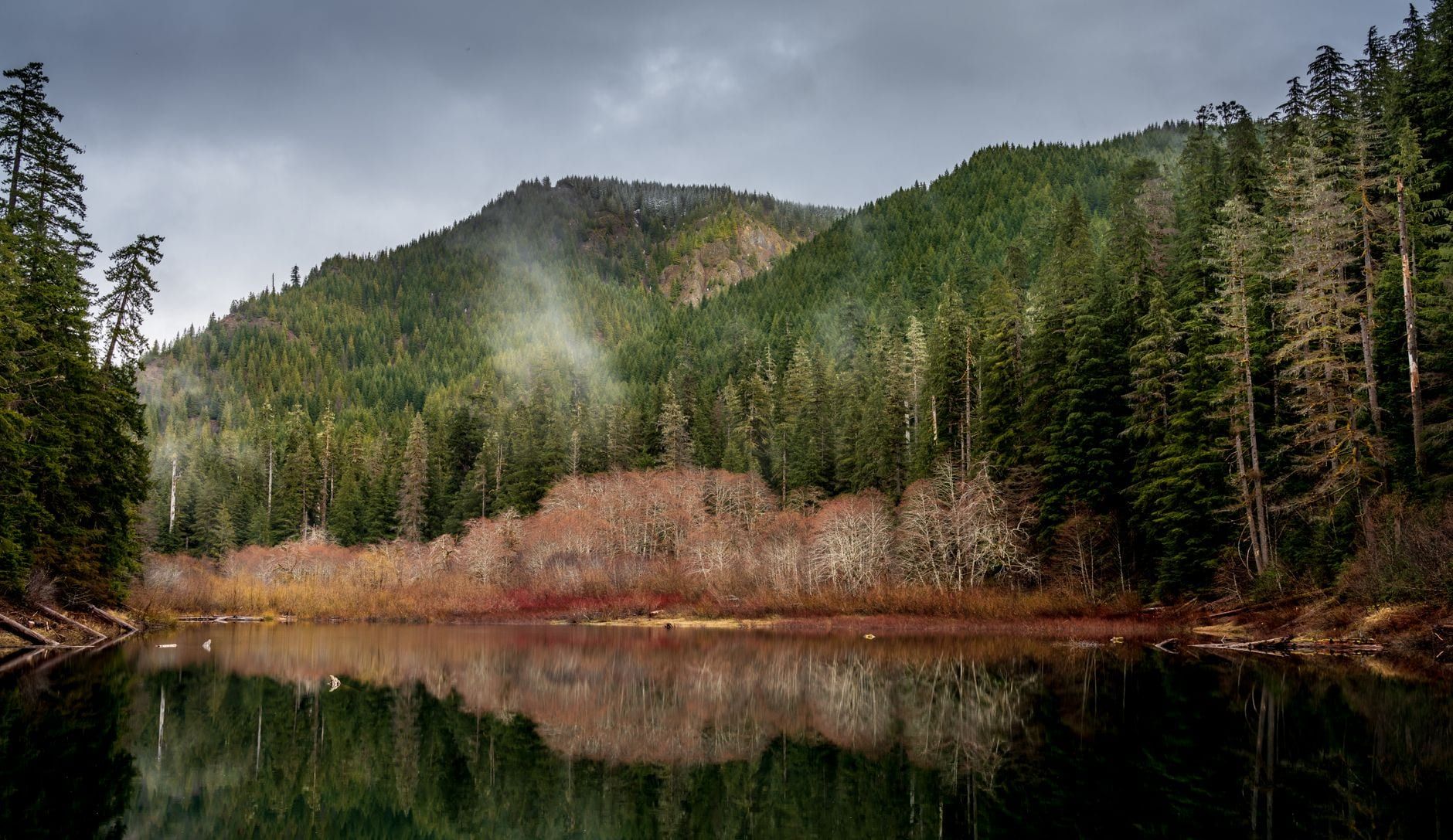
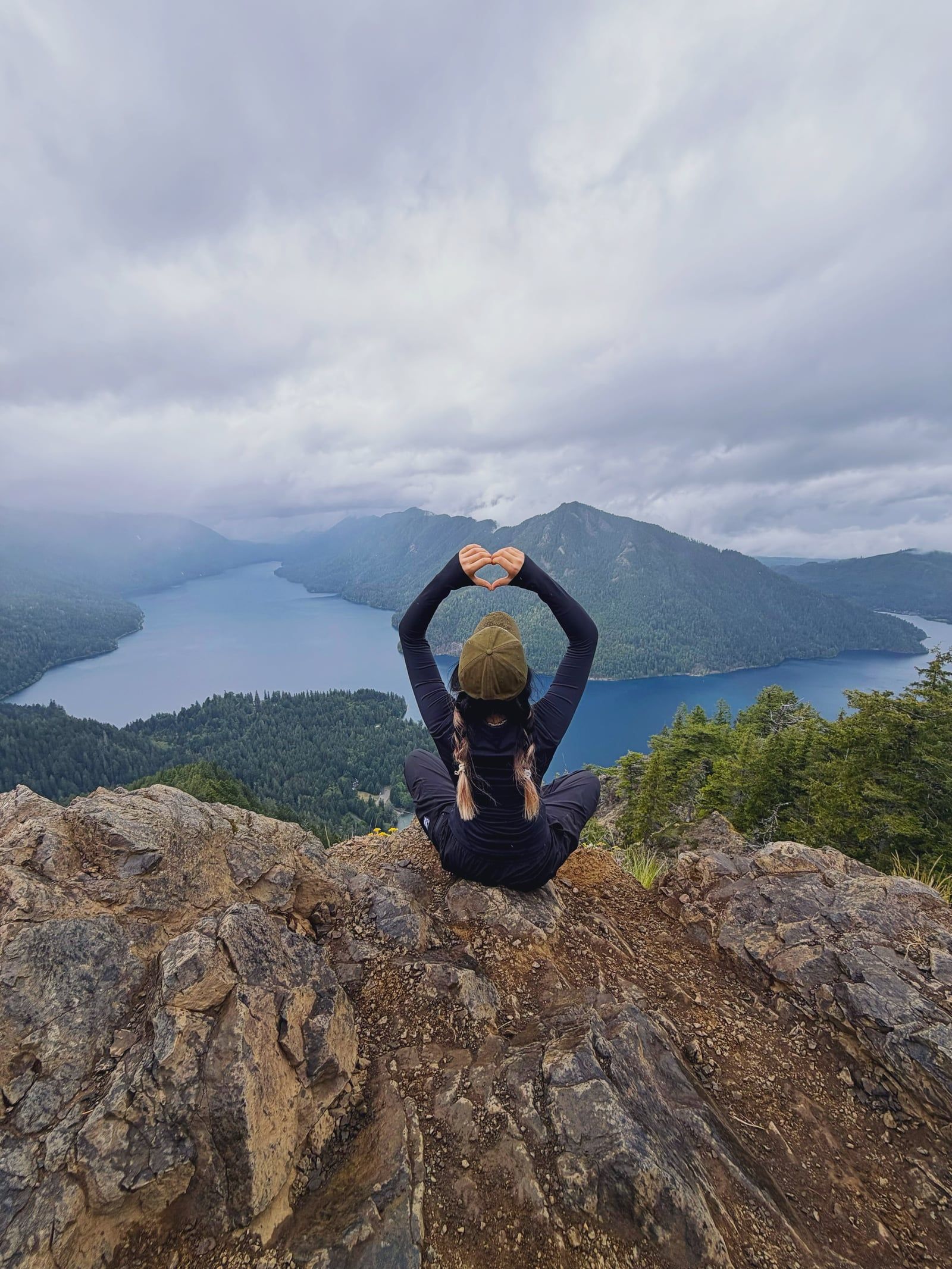
Lake Crescent sits directly on US 101 between Port Angeles and Forks, which makes it the one corner of Olympic National Park you can see without…
Olympic National Park protects 73 miles of wilderness coast, and twice a day the Pacific pulls back to expose one of the best tide pooling shorelines…
A private vehicle pass costs $30 and covers everyone inside for seven consecutive days. Motorcycles cost $25, while visitors entering on foot or a bicycle pay $15. You can also use a $55 annual park-specific pass or the America the Beautiful pass.
June through September offers the most reliable weather and the longest daylight, stretching from roughly 5 am to 10 pm around the summer solstice. May and September provide similar access to roads and facilities with noticeably fewer crowds. Winter brings heavy rain and frequent closures, especially on mountain roads like Hurricane Ridge.
You can drive 140 miles south via I-5 and Highway 101, which takes about 2.5 to 3.5 hours. Or take a Washington State Ferry from Seattle to Bainbridge Island, cutting the driving distance to 85 miles. Highway 101 circles the entire peninsula and connects to all major park entrances.
You don't need a reservation to drive in or hike for the day. But you'll need to book ahead on recreation.gov for overnight wilderness camping, which costs $8 per person per night plus a $6 fee. Summer camping at Hoh, Kalaloch, Fairholme, Mora, Sol Duc, and Staircase also requires advance booking.
Bring waterproof outer layers and sturdy hiking boots regardless of the season. Temperatures frequently swing 10 to 20 degrees Fahrenheit in a single day. Fog often sticks around the coast even when the sun is out.
Yes, several short paths accommodate wheelchairs, including the paved 0.1-mile Madison Falls Trail and a 6.5-mile paved section of the Spruce Railroad Trail along Lake Crescent. The main visitor center in Port Angeles and the Hoh Rain Forest Visitor Center also offer accessible parking, restrooms, and a checkout wheelchair.
No, pets are banned on nearly all trails, inside public buildings, and throughout the wilderness areas. You can walk a leashed dog on paved or dirt roads, in drive-in campgrounds, and on a few specific paths like the Spruce Railroad Trail.
Plan for at least three days if you want to experience the mountains, the rainforest, and the coast. The park covers 922,651 acres with no roads crossing the interior, making for long drives between areas. A half-day only gives you time for one ecosystem near Port Angeles, like Hurricane Ridge.
Browse verified tours with free cancellation and instant confirmation.
Find Tours

