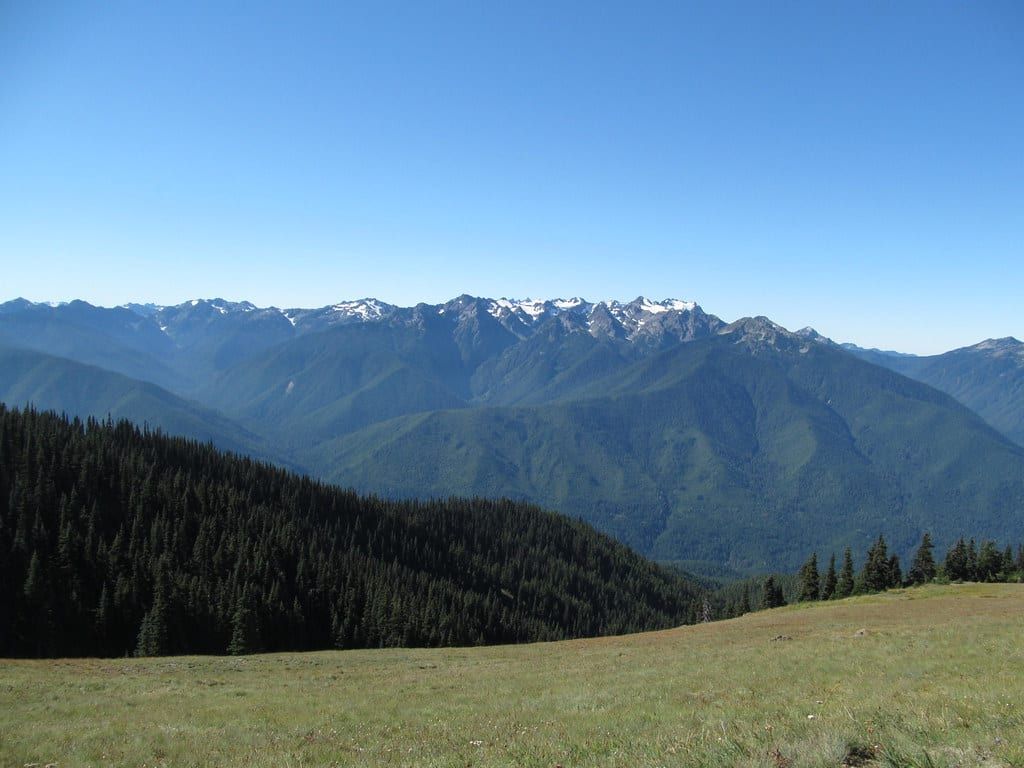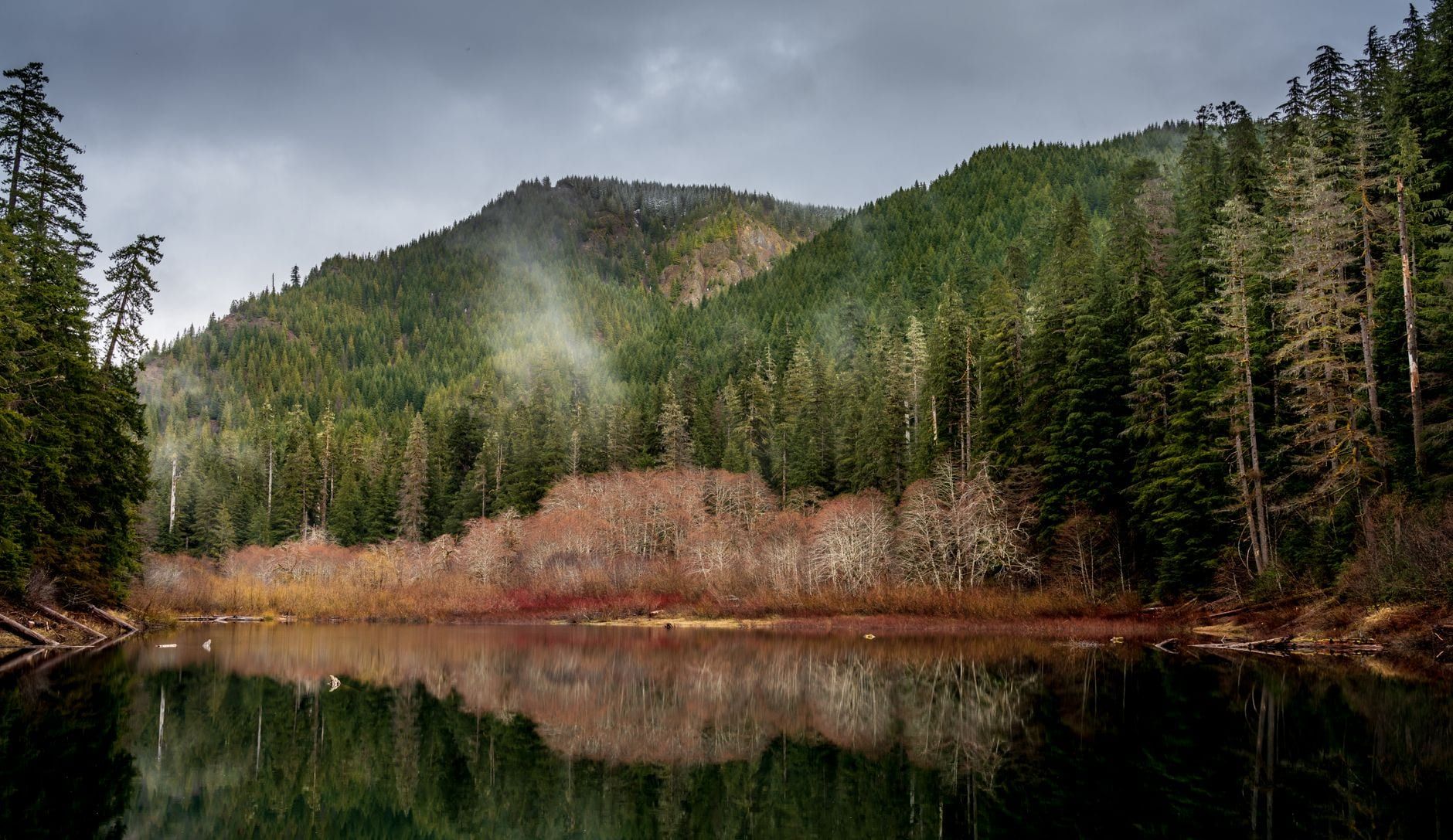
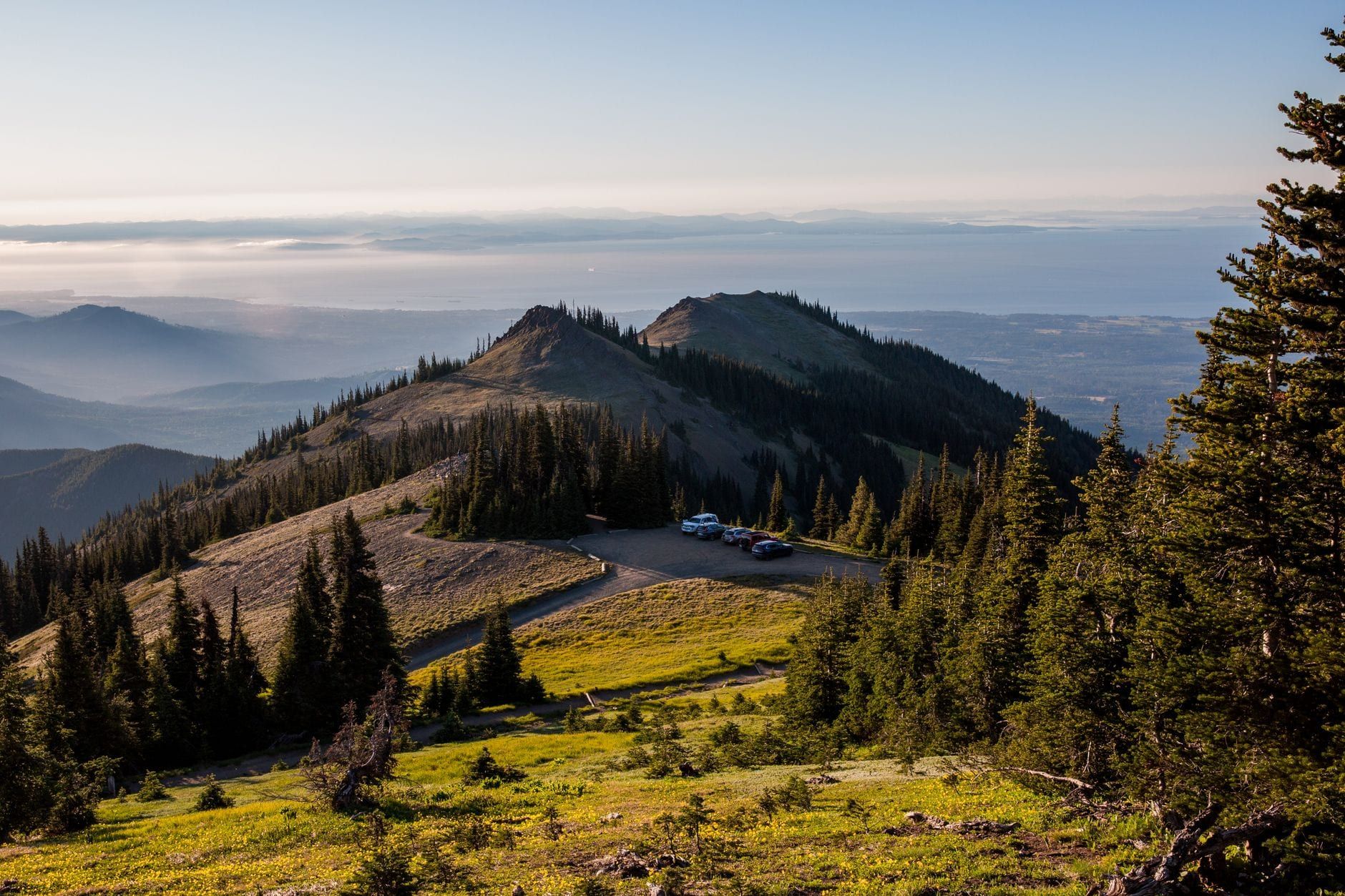
Olympic National Park is one of the best national parks in the country for families, and the reason is simple: in a single trip your kids can stand on a mountain ridge, walk under moss-draped rainforest giants, and poke around tide pools on a wild Pacific beach — all without a summit bid or a backcountry permit. The catch is geography. The park covers nearly a million acres, no road crosses the interior, and every destination hangs off Highway 101 on a spur drive. Plan around that, and Olympic with kids is easy.
Is Olympic National Park Good for Kids?
Yes, and unusually so. The park protects glacier-capped mountains, more than 70 miles of wilderness coastline, and old-growth temperate rainforest inside one boundary, so the scenery changes completely every hour of driving. Kids who get bored on a third waterfall are suddenly wide-eyed among sea anemones. That variety is Olympic's ace with children — nothing stays the same long enough to get stale.
Now the surprise every first-time family hits: Olympic is shaped like a donut. Highway 101 circles the peninsula, and each park area sits at the end of a spur road off it. There is no driving through the middle — 95% of the park is roadless wilderness. A trip here is really a series of short expeditions stitched together by drives, so budget two bases and reasonable road time. One more tip: typing "Olympic National Park" into GPS routes you to the middle of the mountains. Navigate to a specific destination — "Hurricane Ridge" or "Hoh Rain Forest Visitor Center" — instead.
The wildlife keeps kids engaged too. Olympic marmots — found nowhere else on Earth — sun themselves on rocks near Hurricane Ridge, deer and Roosevelt elk graze the Hoh and Quinault valleys, and in fall salmon hurl themselves upstream at Sol Duc. Keep at least 50 yards from every animal. Age-wise, toddlers do best on beaches and paved loops; kids about 4 and up can handle the classic short waterfall hikes.
Best Time to Visit with Kids
July and August are the months to target: highs reach the 70s, rain is least likely, roads are all open, and the ranger program schedule is at its fullest. That's also peak season, so Hurricane Ridge and the Hoh carry their biggest crowds. June and September trade some warmth for elbow room — expect wetter days and colder nights, but far shorter lines.
Fall brings two free shows kids love: the October elk rut in the Quinault and Hoh valleys, and salmon leaping at Sol Duc through late October. Winter turns Hurricane Ridge into a snow-play zone — snowshoeing and sledding on weekends, though the road only opens Friday-to-Sunday in snow months and every vehicle must carry chains. Whatever month you pick, bring rain gear. The Hoh receives around 140 inches of precipitation a year, and showers can pass through the forecast's sunniest day. For a deeper month-by-month breakdown, read our best time to visit Olympic guide.
Getting There & Getting Around
Most families fly into Seattle-Tacoma (SEA) and rent a car. Port Angeles, the main gateway, is 2.5–3 hours away depending on route and whether you take a Washington State Ferry across Puget Sound. If you'd rather leave the winding peninsula roads to someone else, guided day tours from Seattle cover the logistics and the driving.
Within the park, you're on your own wheels — there's no park-wide shuttle, only a seasonal Clallam Transit route from Port Angeles up to Hurricane Ridge from late May through early September. The strategy that works is two bases: Port Angeles for Hurricane Ridge, Lake Crescent, and Sol Duc, then Forks or Kalaloch for the beaches and the Hoh. That matters because the Hoh Rain Forest is 88 miles from Port Angeles — a two-hour drive each way. Don't day-trip it from the east side with tired kids in the back.
Download offline maps and the NPS app before you leave town; cell service across the peninsula is unreliable, and on some stretches nonexistent.
Where to Stay with Kids (Lodges, Camping & Gateway Towns)
Four lodges sit inside the park. Kalaloch Lodge, perched oceanfront on the southern coast, is the only one open year-round. Lake Crescent Lodge and Sol Duc Hot Springs Resort run seasonally — Sol Duc's cabins come with pool access for guests, which pays for itself with kids. Log Cabin Resort sits on Lake Crescent's shore. For larger families, Log Cabin Resort and Lake Quinault Lodge both have units that sleep six.
Camping costs $15–$24 a night. The reservable campgrounds — Hoh, Kalaloch, Fairholme, Mora, Sol Duc, and Staircase — take bookings on a rolling six-month window at recreation.gov, and summer weekends go fast. Outside peak season, first-come sites are easier. If you want space, a kitchen, and a door that closes at 8pm, vacation rentals around Sequim and Lake Sutherland are the practical family move.
| Port Angeles | Forks / Kalaloch | |
|---|---|---|
| Best for | Hurricane Ridge, Lake Crescent, Sol Duc | Hoh Rain Forest, Ruby Beach, Rialto Beach |
| Drive to Hurricane Ridge | ~30 min (18 miles) | ~2.5 hours |
| Drive to the Hoh | ~2 hours | ~45–60 min from Forks |
| Lodging | Widest choice, restaurants, visitor center | Motels in Forks; Kalaloch Lodge on the coast |
| Pick it if | It's your first visit | Beaches and rainforest are your priority |
Entrance Fees & Passes for Families
A family car pays $30 for a pass valid seven consecutive days. Kids 15 and under are always free, and every US fourth grader can claim a free America the Beautiful pass through the Every Kid Outdoors program — which covers every national park for the whole family's vehicle. If you'll visit Olympic twice in a year, the $55 park annual pass breaks even. Details are on our hours and fees page.
| Item | Cost |
|---|---|
| Vehicle entrance (7 days) | $30 |
| Kids 15 and under | Free |
| US 4th grader pass (Every Kid Outdoors) | Free |
| Campgrounds | $15–$24 per night |
| Sol Duc Hot Springs pools | ≈$15 adult / $12 child |
The park is cashless — buy your pass on Recreation.gov before you arrive and roll straight past the entrance-station queue. Budget separately for the Sol Duc pools, camping, and kayak rentals; none are covered by the entrance pass.
The Best Kid-Friendly Hikes by Area
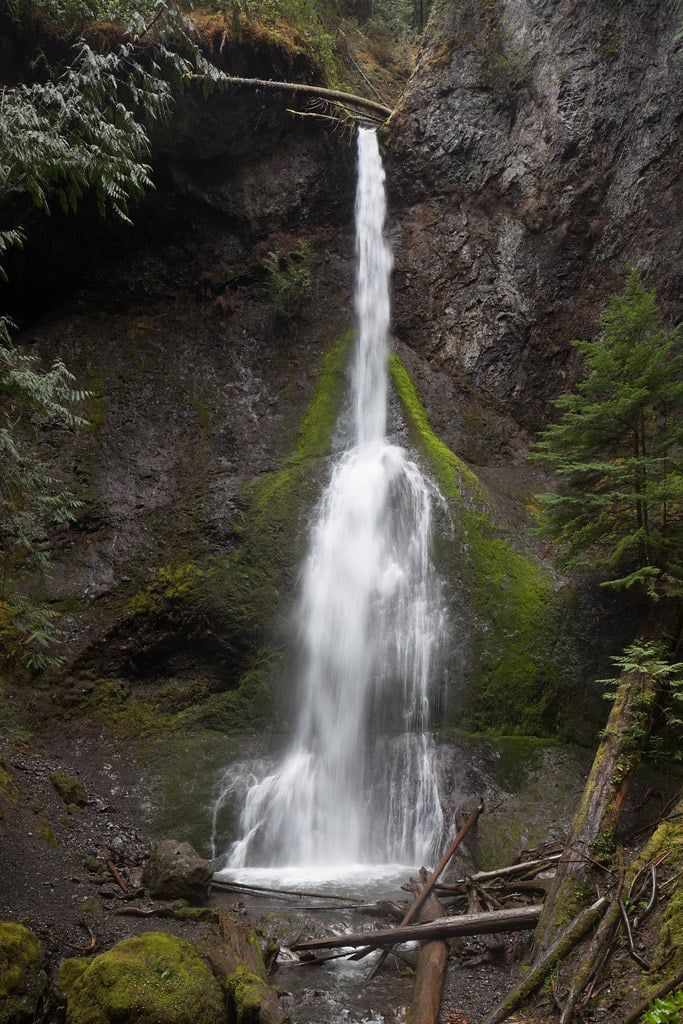
Olympic's short trails are where the park earns its family stripes. Below are the standouts by area, with the stroller verdict for each — and if your crew wants longer routes, our guide to the best hikes in Olympic sorts the whole park by region.
Hurricane Ridge
Hurricane Hill is the classic: 3.2 miles round trip with about 700 feet of gain on a paved ribbon to a panorama of the Olympic Mountains and the Strait of Juan de Fuca. A stroller works only for the first half-mile; beyond that it's a steady climb best for ages 6 and up. For little legs, the Cirque Rim and Big Meadow loops near the visitor center are paved, nearly flat, and about 0.75 mile combined — with a decent chance of a marmot sighting. Even the parking lot view alone justifies the 18-mile drive from Port Angeles.
Elwha & Lake Crescent
Madison Falls is the easiest walk in the park: 0.2 miles round trip on pavement to a 60-foot cascade. Marymere Falls stretches to 1.8 miles round trip through old-growth forest to a 90-foot waterfall — paved for the first half-mile, with stairs on the final loop, and doable for most 4-year-olds. The Spruce Railroad Trail runs flat and paved along Lake Crescent's north shore on an old railroad grade; ride or walk any stretch of it and you'll pass the Devil's Punchbowl swimming hole. Our Lake Crescent guide covers swimming, kayaking, and where to stay.
Sol Duc
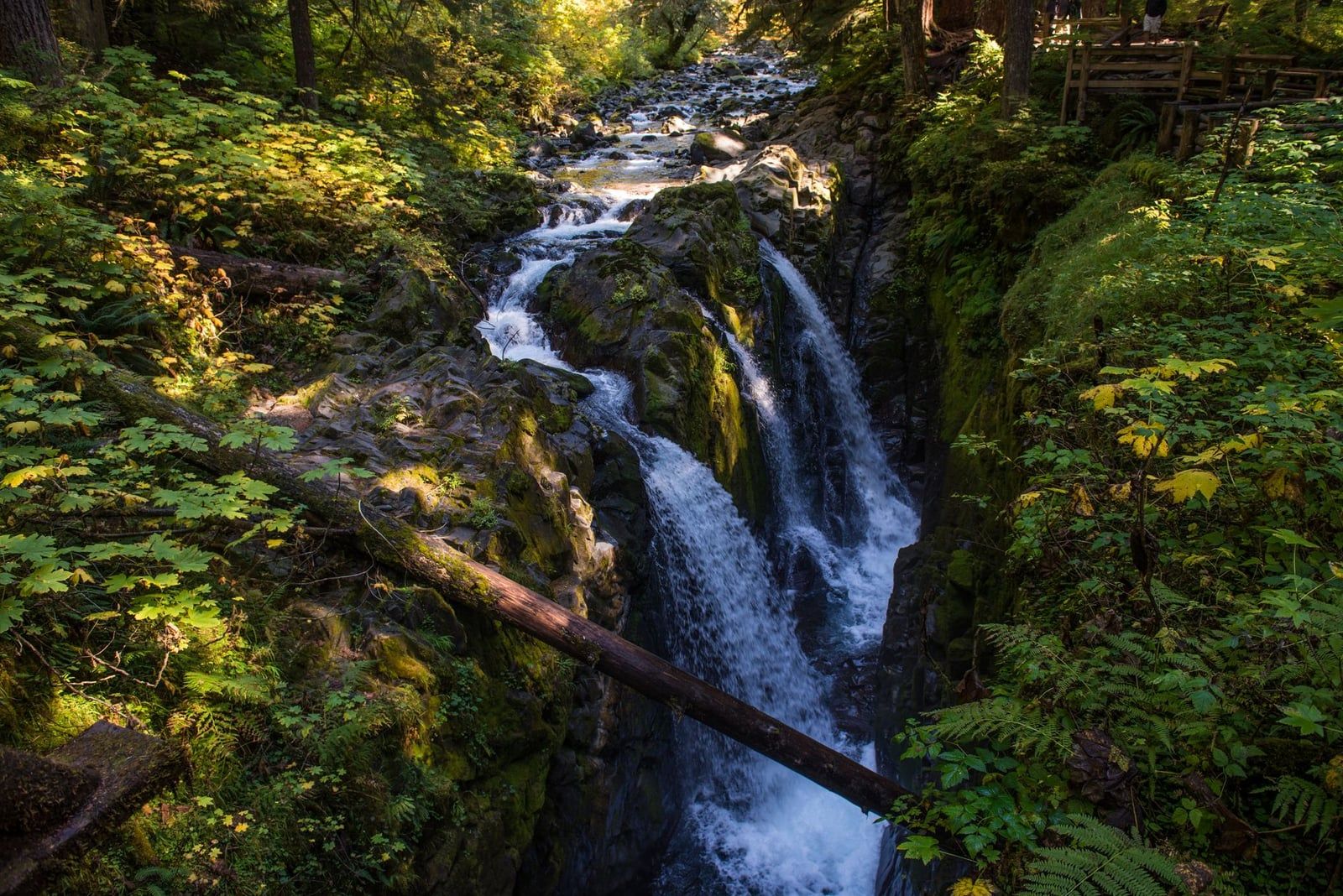
Sol Duc Falls is 1.6 miles round trip on a gentle old-growth path to a waterfall that splits into channels around a rock fin — kids love watching the river tear itself in two from the bridge. The trailhead lot fills by mid-morning in summer, so go early or in the evening. Near the road, the Ancient Groves Trail is a 0.6-mile mossy loop for younger kids, and older hikers can extend Lovers Lane toward the falls from the resort side.
Hoh Rain Forest
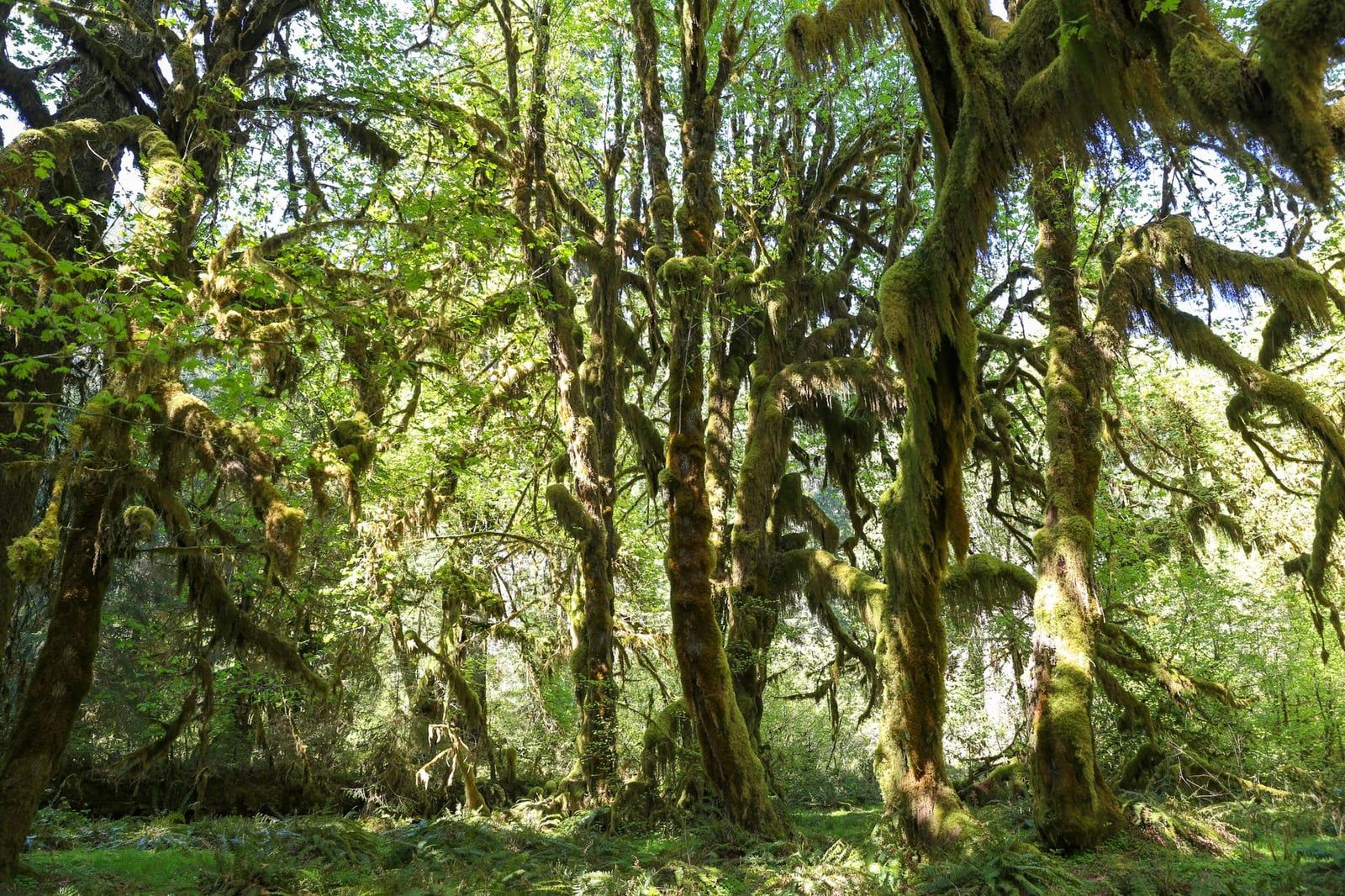
The Hall of Mosses is 0.8 miles of pure storybook — maples wearing curtains of club moss, ferns to the waist, interpretive signs sized for kids. The Spruce Nature Trail (1.2 miles) reaches the glacial-gray Hoh River and draws fewer people. The Hoh River Trail itself is an out-and-back you can sample as short as you like, with the first river access at 0.9 miles one way. If the entrance line is brutal, Quinault is the quieter rainforest alternative and needs no reservation either.
Quinault & Staircase
Lake Quinault's Maple Glade loop is a gentle half mile of moss and fern — the closest thing to a stroller-friendly rainforest walk — and the Kestner Homestead loop (1.3 miles) passes rusting farm equipment kids genuinely want to inspect. Don't miss the World's Largest Sitka Spruce nearby, roughly 200 feet tall with a 58-foot circumference. On the park's southeast side, the Staircase Rapids Loop runs about 2 miles to a cable bridge bouncing over the North Fork Skokomish River, a hit with anyone over about 8.
Stroller cheat-sheet
- Paved and stroller-OK: Madison Falls, Cirque Rim and Big Meadow, first 0.5 mile of Hurricane Hill, Spruce Railroad Trail, Maple Glade.
- Carrier territory: Marymere Falls, Sol Duc Falls, Hall of Mosses, Spruce Nature Trail, Kestner Homestead.
- Bring a baby carrier for anything unpaved — boardwalks have steps and roots.
Tide Pooling & Beach Days with Kids
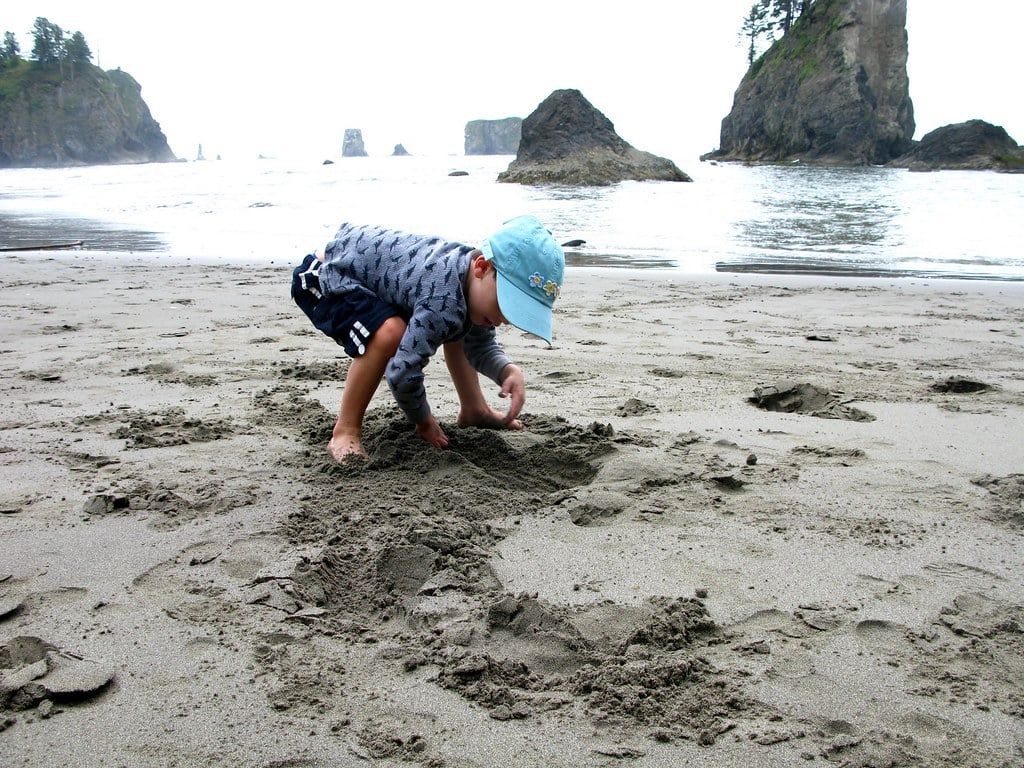
The coast is Olympic's kid magnet, and the beaches are for climbing and discovering, not swimming — the Pacific here is frigid. Ruby Beach has the easiest access from the parking lot, with sea stacks, a creek to dam, and Abbey Island offshore. Beach 4, just south, has the best tide pools. Second Beach takes a mile of forest trail each way and rewards you with the most dramatic sea stacks in the park. Rialto Beach piles driftwood into natural climbing frames, and its Hole-in-the-Wall sea arch sits 1.5 miles up the beach, passable only near low tide over slippery, kelp-coated rocks. Kalaloch adds the Tree of Life, a sitka spruce somehow still standing over a hollowed-out bluff.
Timing decides everything. Check the NOAA tide tables and explore within about an hour of low tide — a tide under roughly +2 feet opens the best pools. Build your beach day around the tide, not the clock, and if the low tide lands at 6pm, make that an evening beach trip. Our tide pool guide lists what you'll find at each beach.
Rainy-Day & Bonus Fun: Hot Springs, Junior Rangers & Wildlife
It will rain at some point on your trip, so have a plan. Sol Duc Hot Springs Resort has three mineral pools between roughly 99°F and 104°F plus a large freshwater pool, with a shallow mineral pool that suits toddlers. Entry runs about $15 per adult and $12 per child, and resort guests soak free. Go early or late to dodge day-crowds. Pair it with the visitor centers — the main one in Port Angeles is open daily 9am–5pm with exhibits and ranger talks — and remember that the rainforest is arguably at its best in rain, when the moss deepens to emerald and the crowds vanish.
The Junior Ranger program is the best free tool in the park: pick up an activity book at any visitor center, let kids work on it during the drives, and a ranger swears them in and hands over a badge. Near Sol Duc, the Salmon Cascades viewpoint — about 5 miles up Sol Duc Road, a short walk from the car — delivers salmon leaping the falls September through October and trout visible March through May.
Three bonus stops sit just outside the boundary. Dungeness Spit near Sequim, the longest natural sand spit in the country, charges about $3 (covered by an America the Beautiful pass) and makes a flat, bird-filled half-day walk. Cape Flattery, the westernmost point of the lower 48, requires a $20 Makah recreation permit. And on scheduled summer nights, Hurricane Ridge runs an astronomy program with telescopes pointed at planets and nebulae under some of the darkest sky around.
A Simple 3-Day Olympic Itinerary for Families
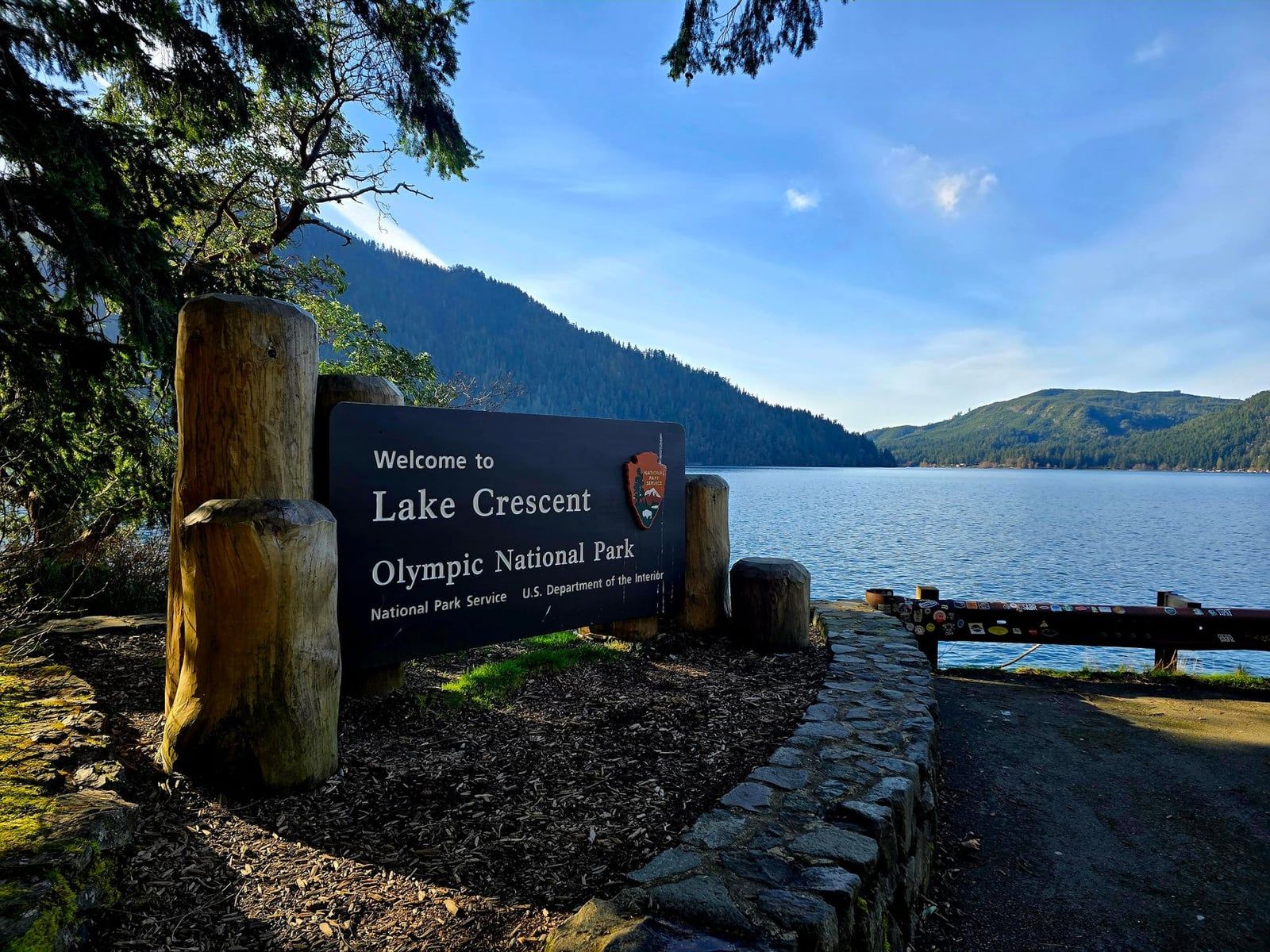
Day 1 — mountains and lake (base: Port Angeles). Drive up to Hurricane Ridge first thing, before the midday line builds. Walk Cirque Rim with little kids or Hurricane Hill with bigger ones, then descend to Lake Crescent for the afternoon: Marymere Falls, rock-throwing on the shore, a swim if it's warm. Sleep in Port Angeles.
Day 2 — waterfalls, hot springs, and the drive west. Hit Sol Duc Falls in the morning while the parking lot is still empty, soak at the hot springs after lunch, then drive to Forks or Kalaloch in the late afternoon. Stock up on groceries in Port Angeles before you go — Forks' selection is thinner.
Day 3 — rainforest and coast. Build the day around the low tide. If it's a morning tide, do the beach first (Ruby or Rialto plus tide pools) and the Hoh in the late afternoon; flip it if the tide is late. Aim to enter the Hoh before 9am or after 5pm — summer waits have hit three hours at peak, and Hurricane Ridge lines run an hour or two on holiday weekends. The park is open 24 hours, so an early start is always available. Our full 3-day Olympic itinerary includes 2- and 4-day variants if your trip is shorter or longer.
Short on time? Two days covers Hurricane Ridge plus one good beach day. With four or five, add Quinault's big trees, the Staircase rapids, or — for teens — the Ozette coast loop with its petroglyphs at Wedding Rocks.
What to Pack & Family Survival Tips
Pack for rain first and everything else second. Temperatures swing 10–20°F across the park on the same summer day — Port Angeles can be 75°F while Hurricane Ridge sits in fog at 55°F — so layers go in the car regardless of the forecast.
- Rain jackets for everyone; full rain suits for littles.
- Waterproof hiking shoes and merino wool socks (they insulate when wet).
- Water shoes or sturdy sandals for barnacle-covered beaches.
- Warm mid-layers for elevation swings and coastal fog.
- Picnic supplies and car snacks, stocked in Port Angeles or Forks.
Treat the car as basecamp. The drives between areas are the trip's connective tissue, so keep snacks, entertainment, and a dry bag for wet gear within reach. The road to Hurricane Ridge winds for 18 miles — if anyone in the back seat is prone to motion sickness, dose before the switchbacks, not during. Offline maps, downloaded before you leave, plus the NPS app, cover the dead zones.
Three golden rules to repeat daily: check the tide table every morning, never turn your back on the ocean, and keep 50 yards between your kids and any animal — including the deer that look tame at Hurricane Ridge. Do those, and Olympic will be the trip your kids talk about for years.
Frequently asked questions
Is Olympic National Park good for toddlers and young kids?
Yes. Toddlers get Madison Falls (0.2 miles, paved), the Cirque Rim and Big Meadow loops, the Maple Glade rainforest walk, and beaches full of driftwood and tide pools. Most waterfall trails have stairs at the end but suit ages 4 and up, and Sol Duc has a shallow mineral pool for the smallest soakers.
How many days do you need in Olympic National Park with kids?
Three to four days is the sweet spot. The park loops around Highway 101 with no interior roads, and every area requires driving — the Hoh alone is 88 miles, about two hours, from Port Angeles. Two days works if you limit yourself to Hurricane Ridge and one beach day.
What's the best month to visit Olympic National Park with kids?
July and August: highs in the 70s, the driest weather, and the full ranger program schedule. June and September are quieter but colder and wetter. The Hoh receives about 140 inches of rain a year, so pack rain gear no matter the month.
How much does it cost for a family to visit Olympic National Park?
$30 per vehicle for seven days, with kids 15 and under free. US fourth graders get a free Every Kid Outdoors pass that covers the whole vehicle at national parks. The park is cashless, so buy your pass on Recreation.gov in advance to skip the entrance line.
Do you need a reservation for the Hoh Rain Forest?
No timed-entry reservation is required to visit, but summer entrance lines can run one to two hours, and up to three on peak days. Arrive before 9am or after 5pm, favor weekdays, and check the NPS site for current conditions.
Can you swim at the beaches in Olympic National Park?
Not really — the Pacific here is cold enough that swimming isn't fun. The beaches are for tide pooling, climbing driftwood, and exploring. Kids who want to swim will do better at Lake Crescent in summer or in the heated Sol Duc pools.
What should kids pack for Olympic National Park?
A rain jacket (or a full rain suit for little ones), waterproof shoes, wool socks, warm layers for the 10–20°F temperature swings between coast and mountains, and water shoes for barnacle-covered tide-pool rocks.
Where should a family stay when visiting Olympic National Park?
Split your stay: Port Angeles for two or three nights near Hurricane Ridge, Lake Crescent, and Sol Duc, then Forks or Kalaloch for one or two nights near the beaches and the Hoh. In-park lodges and the reservable campgrounds (Hoh, Kalaloch, Fairholme, Mora, Sol Duc, Staircase) open on a six-month rolling window at recreation.gov.