Yes, you can fish in Olympic National Park — and the rules are simpler than most people expect, once you know them. No Washington license is required inside most park waters, the default rule is catch-and-release for wild fish, and the rivers here still carry some of the healthiest wild salmon and steelhead runs in the lower 48. What catches anglers out is the fine print: one shore-fishing exception to the license rule, a separate free card for salmon and steelhead, and an annual regulations booklet that quietly closes waters older guidebooks still recommend.
This guide distills the National Park Service regulations into a trip-planning tool — which waters suit your kind of trip, what runs when, and what you can actually put on the grill. If you're also weighing the park's broader draw, start with our first-timer's guide to Olympic.
Fishing in Olympic National Park: What Makes It Different
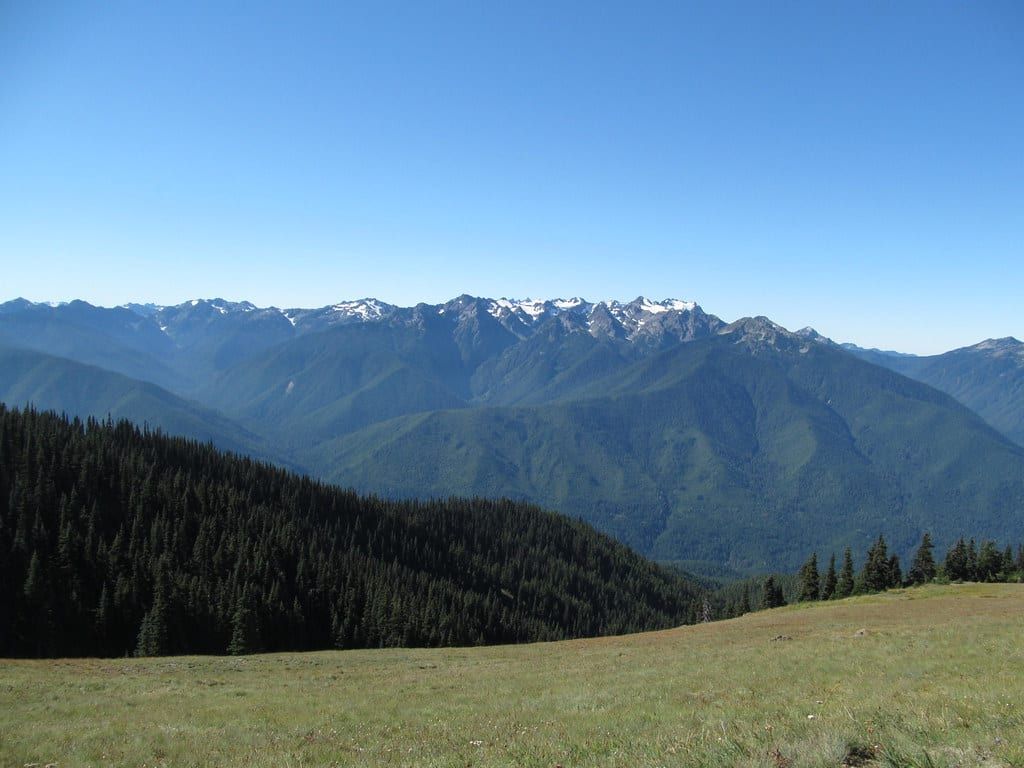
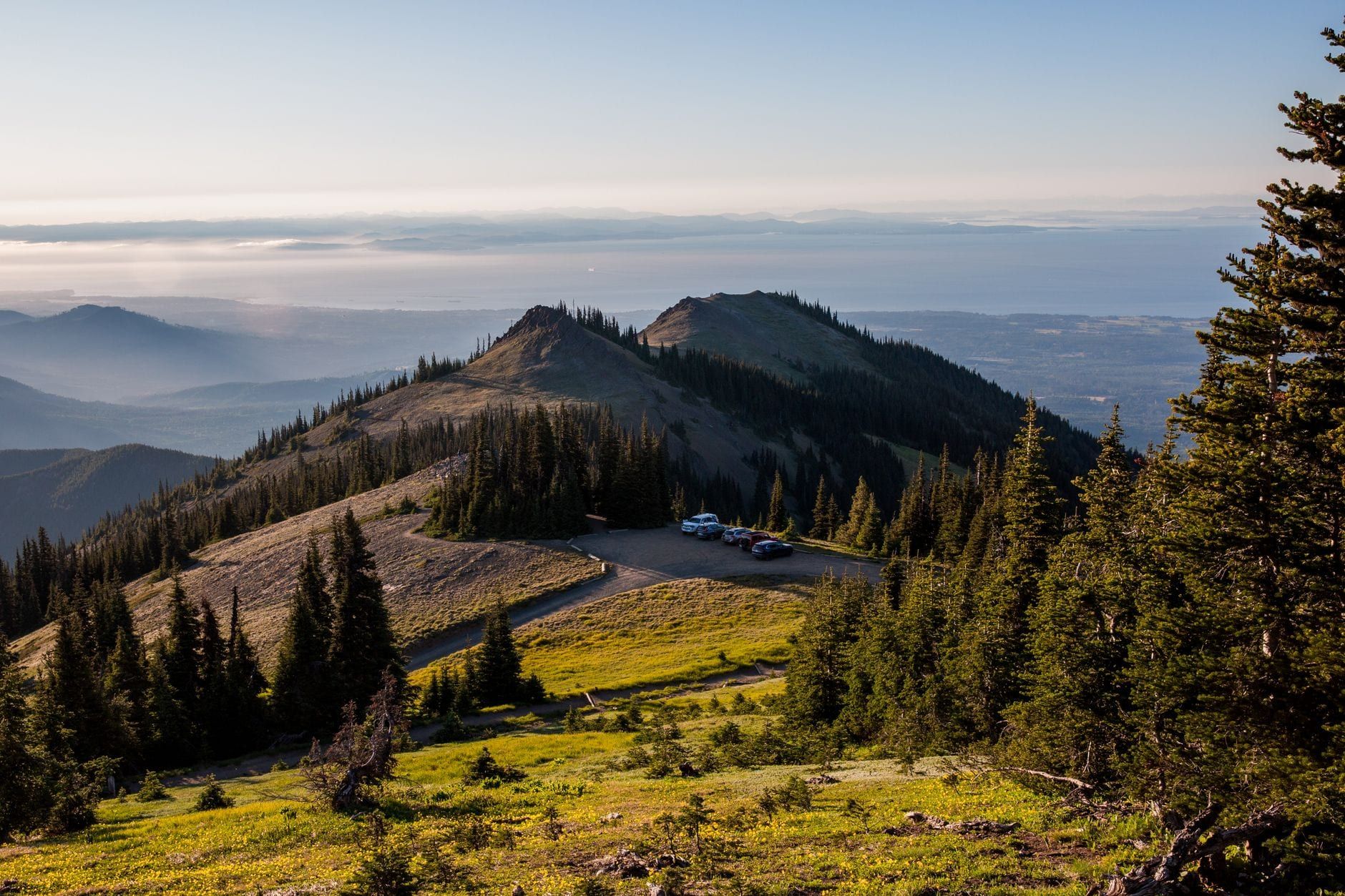
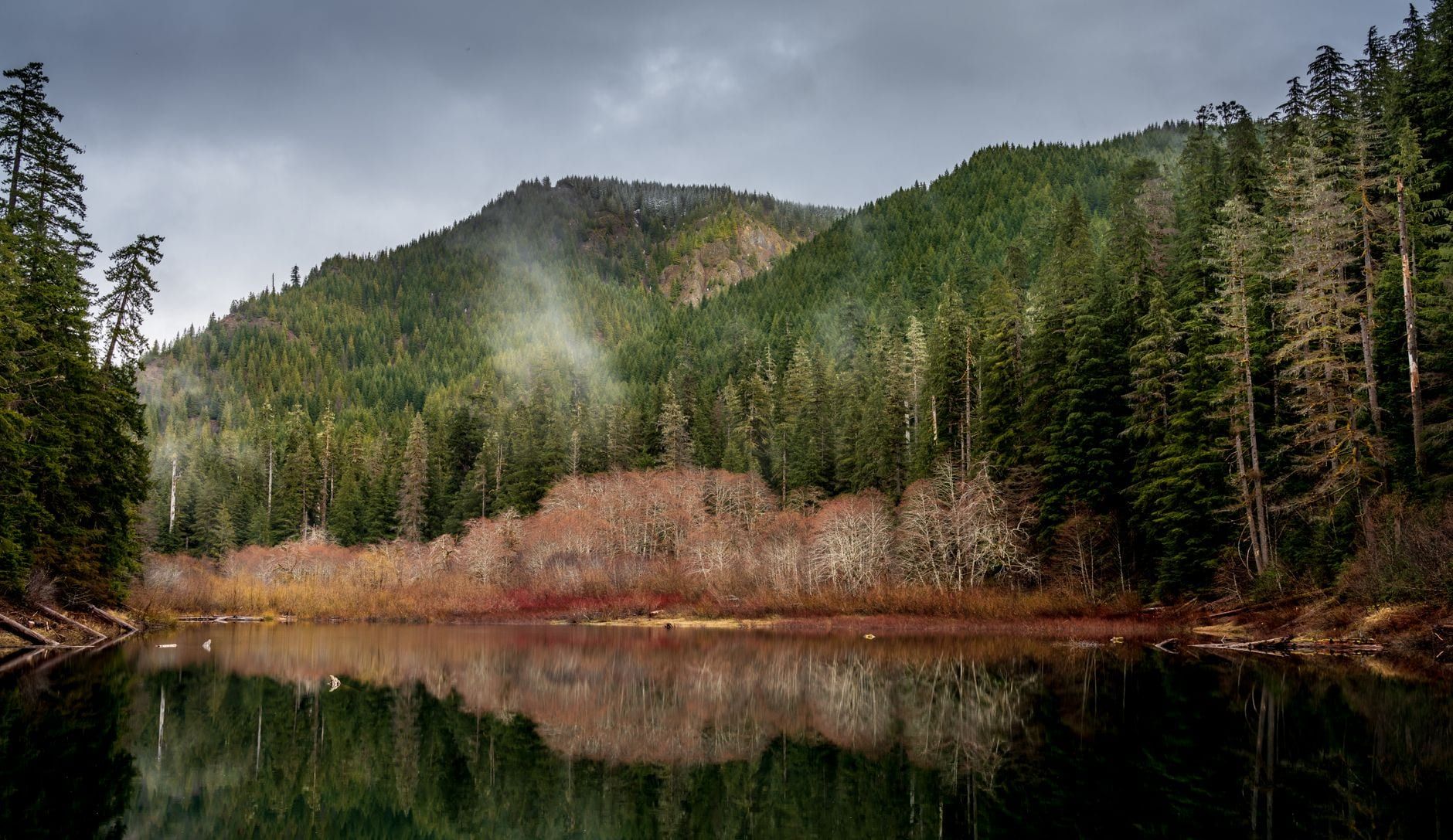
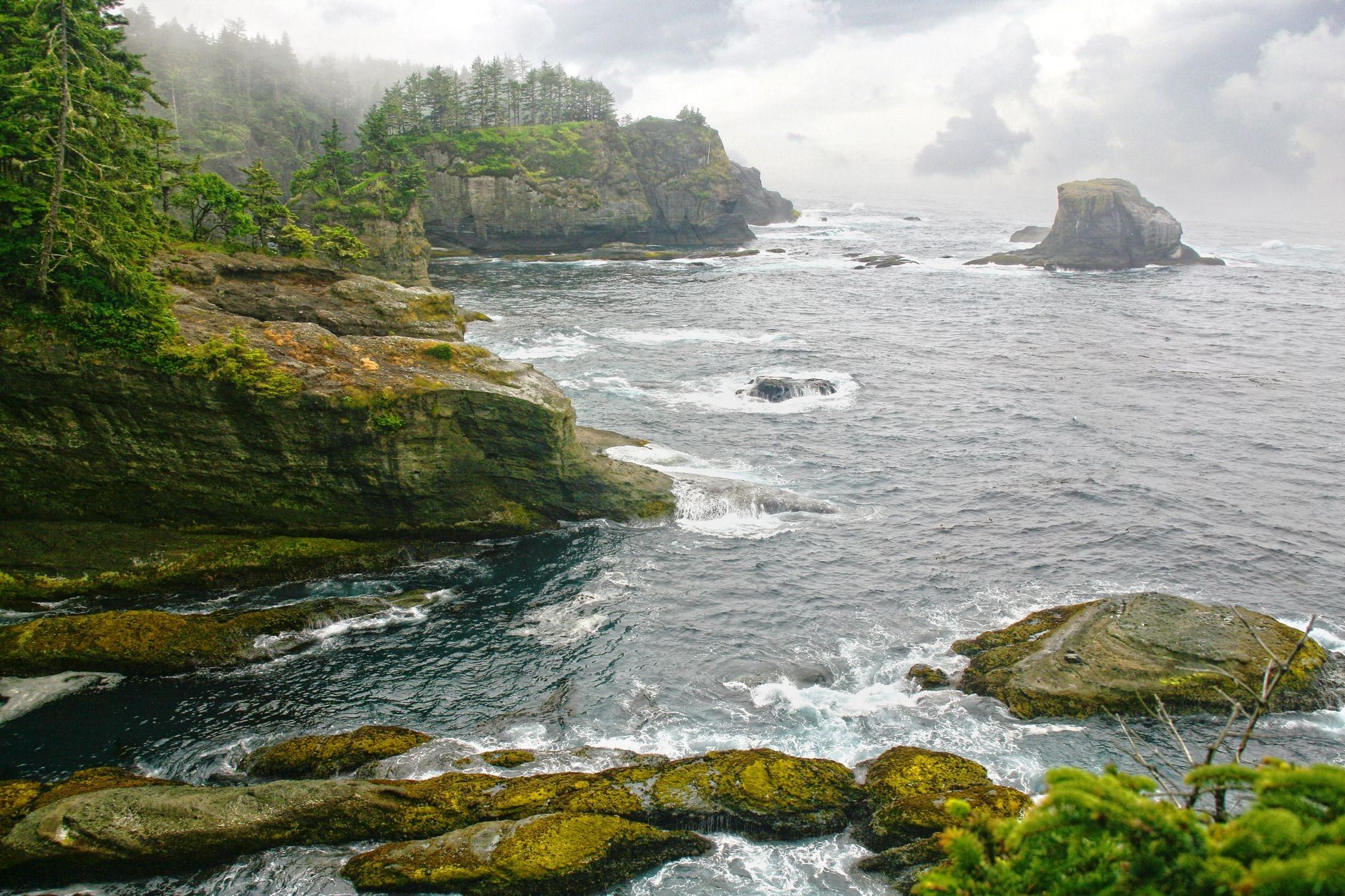
Olympic is one of the few national parks where you can fish glacier-fed rivers in the morning, a cold mountain lake at lunch, and the Pacific surf by dinner. The park protects roughly 75 miles of wild coast, about 800 lakes, and some 4,000 miles of rivers and streams — water enough that you'll rarely share a stretch, even in summer. Those waters support some of the most extensive runs of wild salmon, trout, and char left in the Pacific Northwest, and the rainforest rivers hold the healthiest stocks of winter steelhead in the lower 48.
The park splits into three fisheries with three different feels. The mountain core holds alpine lakes reached only on foot, where planted brook trout hit nearly anything. The west-side rainforest valleys — Hoh, Queets, Quinault, Sol Duc — carry the big anadromous fish. The coastal strip adds surfperch off the beaches and sea-run cutthroat in the tidewater creeks. Five things apply everywhere, so learn them before your first cast:
- No Washington license inside park waters (one exception: the Pacific Ocean from shore).
- Free catch record card required for salmon and steelhead, adults and children alike.
- Fishing hours: one hour before sunrise to one hour after sunset.
- Default gear: artificial lure with a single barbless hook.
- Wild fish go back — mostly catch-and-release.
Do You Need a Fishing License in Olympic National Park?
In most of the park, no. Washington State's Recreational Fishing License is not required in Olympic National Park — except when you fish the Pacific Ocean from shore, where state saltwater rules take over. Children under 15 never need a license, and no license is needed to harvest surf smelt. That's the part competitors get wrong: one widely ranking guide claims a license is required at 15+, which contradicts the park's own rules.
| What you're fishing | Where | What you need |
|---|---|---|
| Trout, bass, perch in park lakes and rivers | Inside park boundaries | No Washington license |
| Salmon or steelhead | Any park water | Free catch record card (park version, from WDFW dealers) |
| Surfperch, rockfish, bottomfish | Pacific Ocean from shore | Washington saltwater license |
| Clams, crabs, other shellfish | Park's Pacific coastal strip | Washington Shellfish/Seaweed license |
The catch record card trips people up because it applies even where no license does. If you fish for salmon or steelhead anywhere in the park — adult or child — you carry one. The park-specific version is free from any WDFW license dealer, and you only record fish you keep, using a location code. Released fish aren't logged.
One cost nobody escapes: the park entrance fee, $30 per vehicle for seven days. If you're fishing with a commercial guide, you pay the individual per-person entrance fee on top of the trip price. Current hours and fee details are worth a quick check before you drive out.
Park Fishing Rules: Hours, Gear, and Catch Limits
Every rule here comes from the Olympic National Park Fish & Shellfish Regulations booklet, and the booklet resets each year on May 1. Download the current PDF before your trip — last year's version may list different seasons, and a 15-year-old magazine piece will steer you badly wrong.
Hours are daylight only: one hour before official sunrise to one hour after official sunset, on every water in the booklet. No night fishing, period. Gear defaults to artificial lures with a single barbless hook; bait, trebles, and barbed hooks are prohibited in most waters, and some stretches go further — the Hoh is fly-fishing only from ¼ mile below Hoh Campground down to the park boundary.
Seasons follow the drainage, not the calendar you might assume. General park streams — the Sol Duc, Dosewallips, Duckabush, Graywolf, and their neighbors — open June 1 and close October 31 under catch-and-release rules, with the only keepers being two adipose-clipped hatchery steelhead. High-elevation lakes open earlier, the last Saturday in April. And the winter steelhead season, November through April, runs on regulations issued separately each November in coordination with WDFW and tribal fisheries managers. If you're planning a winter trip, wait for that November release before booking anything.
Two species rules override everything else. Bull trout and Dolly Varden may never be kept anywhere in the park — release them immediately if you hook one incidentally. And every wild fish goes back unless the booklet explicitly allows retention; the adipose fin is the tell, covered in detail below. No fish or invertebrates may be harvested for bait either.
Park rules differ from the state rules that apply just outside the boundary, and the boundary line is not obvious from the water. Plenty of anglers wade across it mid-river without noticing. If you're fishing near an edge, know which side you're standing in. Before every trip, also check bulletin boards at trailheads for locally posted changes, and clean, drain, and dry your boat, waders, and gear — the park is fighting to keep aquatic invasive species out, and mussels and snails hitchhike on felt soles.
Where to Fish: Best Waters for Every Kind of Trip
So which water fits your trip? Match the fishery to how you travel — roadside, day hike, backpack, boat, or beach — and the park hands you a different experience in each.
Lake Crescent: Roadside Trophy Water
Lake Crescent is the park's most accessible serious fishery — a glacially carved, fjord-like lake sitting right on Highway 101, 20 minutes west of Port Angeles. It holds two fish found nowhere else: the Beardslee rainbow, documented to 20 pounds, and the Crescenti cutthroat, which spawns in Barnes Creek. This is deep, clear water; the trout suspend over drop-offs, so most anglers fish from a boat or float tube and get their flies or lures down with trolling setups.
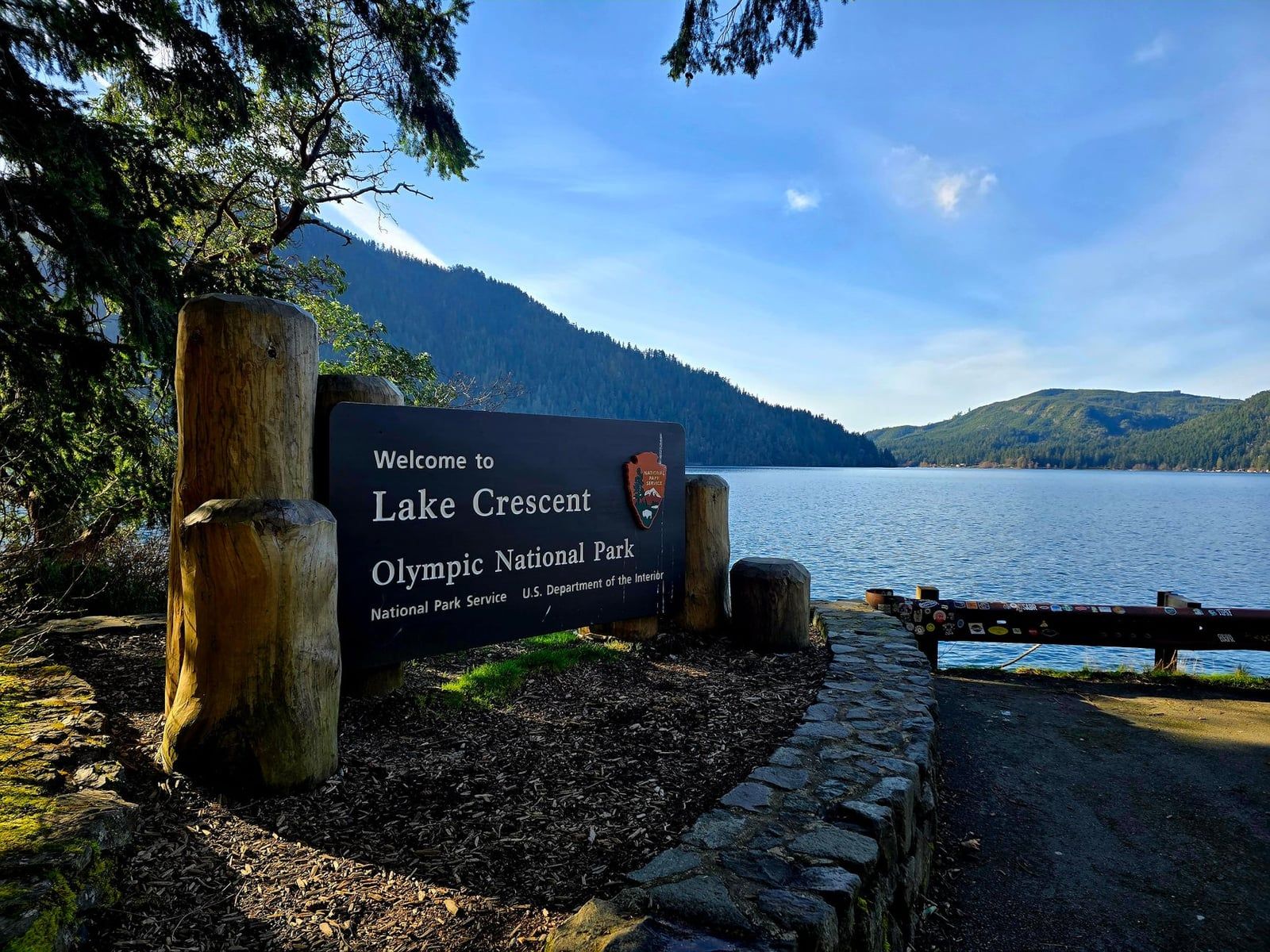
The rules here are strict and specific: catch-and-release only, artificial lures with a single barbless hook, and weights restricted to two ounces maximum — the park doesn't want deep-drop gear dragging the bottom. Season runs June 1 through October 31. Non-fishing companions will find plenty to do; our Lake Crescent guide covers the hikes, swimming, and lodging around the shore.
The Rainforest Rivers: Hoh, Sol Duc, Queets, Bogachiel, Quinault
The west-side rivers are why fly anglers cross the country. The Hoh is the marquee name — a glacial river the color of latte, with the fly-only stretch below Hoh Campground, walk-in access along the trail, and winter steelhead from November through April. Remember its moods: the Hoh and Queets both run off glaciers, and after heavy rain they blow out for days at a time. Timing a trip around river conditions matters more than any hatch chart.
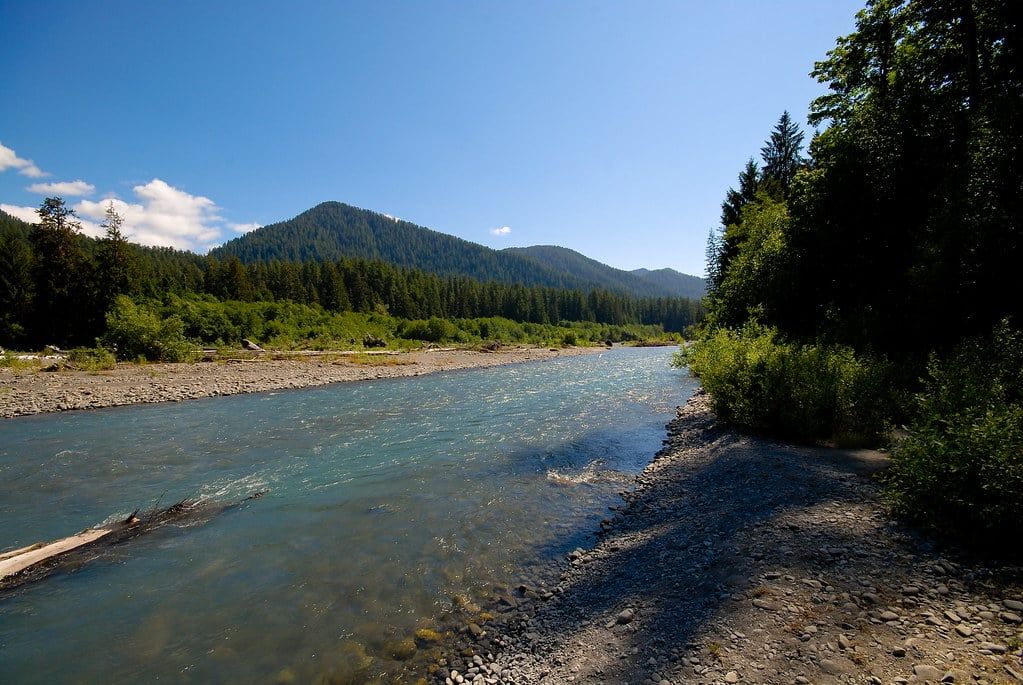
The Sol Duc is the summer angler's river — open only in the summer months inside the park, with dependable fishing for sea-run and resident cutthroat plus resident rainbows, all reachable from pull-offs along Sol Duc Road. The Queets, reached via a road off Highway 101 south of Forks, stays quieter, and its Salmon River tributary offers the park's one real keeper fishery in fall: hatchery coho. The Bogachiel is the only Quillayute tributary inside the park that stays open for winter steelhead, but the park boundary sits about two miles past the road end — you earn it on foot. The Quinault River rounds out the set on the park's south side.
Backcountry High Lakes: Hike-In, Bait-Allowed
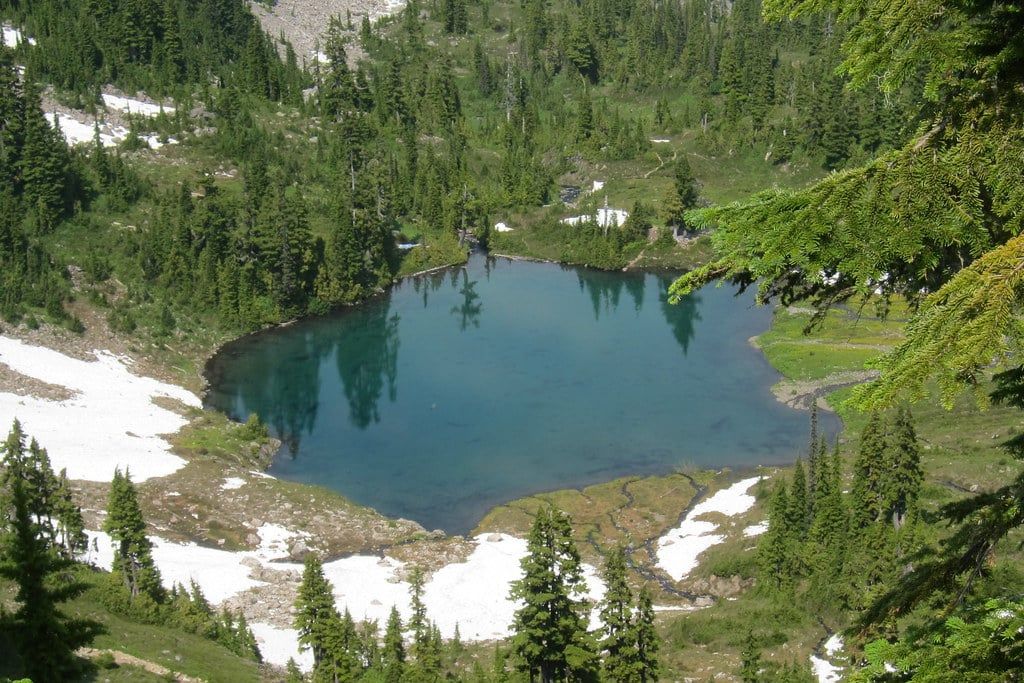
Above roughly 1,300 feet, the rules flip in your favor. High-elevation lakes allow bait, treble hooks, and barbed hooks, and there are no daily, size, or possession limits on brook, rainbow, or cutthroat trout. They open the last Saturday in April and close October 31, though early-season access depends on snowmelt — many basins aren't fishable until July.
Seven Lakes Basin is the classic backpacking trip: about 8 miles from the trailhead at the end of Sol Duc Road to a chain of lakes including Sol Duc, Clear, Morgenroth, and Heart lakes. Grand Valley is the shorter option — Grand, Moose, and Gladys lakes sit about 4 miles from the Obstruction Point Road trailhead, high on the park's northeast side. Brook trout dominate both basins and a small spinner or a Woolly Bugger catches them all day. You'll need a wilderness permit, so plan the trip with our Olympic backpacking guide.
Lake Ozette: The Boat Lake
Lake Ozette, in the park's northwestern corner, is Washington's third-largest natural lake at over 6,000 acres — shallow, weedy, and best fished from a boat or canoe. Two very different fisheries share the water. There's no limit on largemouth bass or yellow perch, so it's the park's best spot for a fish fry with the kids. And from late summer into autumn, sea-run cutthroat push up the Ozette River and into the lake — a genuine trophy on a light rod. The Ozette area is also the trailhead for one of the coast's best backpacking loops, so the lake rewards a multi-day base camp.
The Coast: Surfperch and Sea-Run Cutthroat
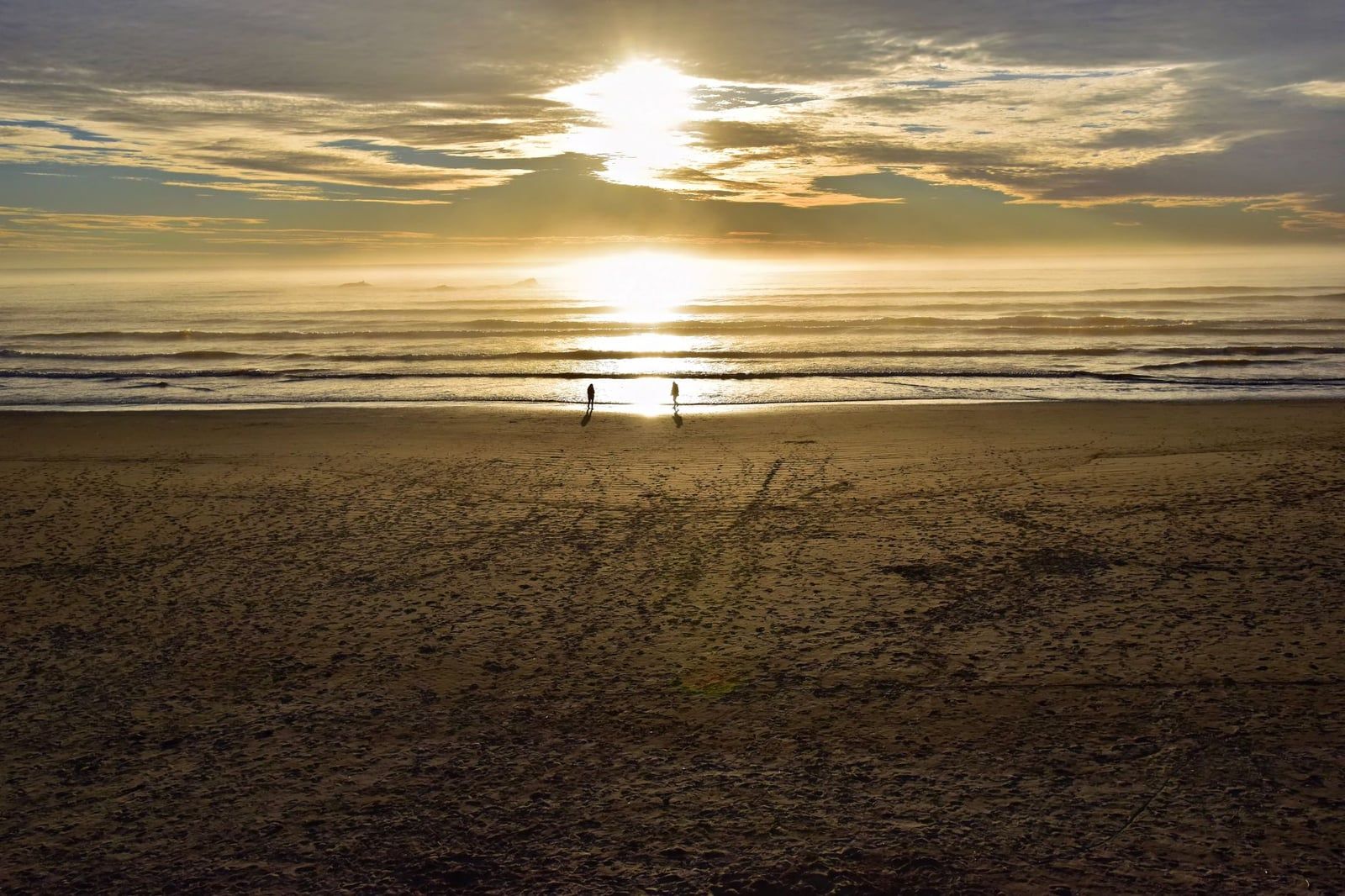
The park's coastal strip is the place to fish with gear you already own. Surfperch run along the beaches year-round — 12 per day — and Kalaloch and Beach 4, both reachable from Highway 101, are the accessible standbys. Bottomfishing from shore runs the second Saturday in March through the third Saturday in October, with a 7-rockfish daily limit and mandatory release of yelloweye and canary rockfish. Coastal creeks like Kalaloch and Goodman hold sea-run cutthroat from midsummer into fall. Clamming needs a shellfish license and an eye on tide and biotoxin postings. Our guide to Olympic's beaches covers access and tide safety for the same stretch of coast.
Methods sort cleanly by water: fly or spin tackle both work on rivers and lakes, boats open up Crescent and Ozette, the coast suits surf rods and bait, and the high lakes are a spin-caster's paradise where fancy gear is wasted. If you're new to fly fishing, the Hoh fly-only stretch is actually a forgiving classroom — slow water, room to cast, and fish that aren't leader-shy.
Fish Species & When to Target Them
Match the species to the calendar and Olympic comes into focus. Inside the park you can encounter all five Pacific salmon — Chinook, coho, sockeye, chum, and pink — plus steelhead, coastal cutthroat, and Lake Crescent's rare Beardslee trout. Bull trout can't be targeted or kept; release any that find your fly. For overall trip timing beyond fishing, our month-by-month guide covers roads, crowds, and weather.
Winter steelhead are the headline fishery, and the contradictions you've read about them are both true. Yes, the park's summer chart is mostly catch-and-release trout water. And yes, world-class winter steelhead fishing happens here November through April — under separate regulations issued each November. Wild fish to 20 pounds are realistic, and the best fly fishing runs February through April, after the early-winter deluges. Up to 50 inches of rain falls on the western valleys in early winter, and the glacial rivers can blow out for days.
Salmon season centers on September and October. Hatchery coho from the Quinault tribe's Salmon River hatchery show up in the lower Queets in September, a month ahead of the wild coho, and the Salmon River allows six adipose-clipped hatchery coho over 12 inches (only two over 20 inches) from September 1 through November 30. Gear-wise, coho suit an 8-weight single-handed rod; Chinook call for Spey rods and heavy sink-tips. Sea-run cutthroat filter into the Queets, Hoh, Quillayute, and the coastal creeks between midsummer and late fall — small flies, light tippets, and the prettiest fishing of the year. Resident trout fill the gaps: Beardslee rainbows in Crescent, brook trout in the high lakes from ice-out through October.
| Window | What's open and what's biting |
|---|---|
| February–April | Peak winter steelhead on Hoh, Queets, Bogachiel under November-issued rules |
| May | High lakes open the last Saturday; rivers stay closed until June |
| June–August | Rivers open June 1; Lake Crescent, Sol Duc cutthroat; sea-run cutts build in tidewater |
| September | Salmon River hatchery coho; fall sea-run cutthroat; high lakes still producing |
| October | General river season closes Oct 31; last good high-lake window |
| November–January | Winter steelhead season opens under newly issued regs; rivers blow out with rain |
Can You Keep What You Catch?
Mostly no — and knowing exactly what you can keep is the difference between a legal day and a $100-plus citation. The one skill that keeps you legal is spotting the adipose fin: the small fleshy fin in front of the tail. Clipped adipose means hatchery fish and possibly a keeper. Intact adipose means wild fish, and wild salmon, steelhead, and trout all go back in the water.
The keepable list is short but real. Most listed drainages let you keep two adipose-clipped hatchery steelhead per day. The Salmon River adds its tiered fall coho limit — six clipped fish over 12 inches, only two over 20. Lake Ozette has no limits at all on largemouth bass, yellow perch, pikeminnow, and bullhead. And the high lakes above 1,300 feet have no limits on brook, rainbow, or cutthroat trout, which makes them the park's best honest fish-camp destination.
Always released, everywhere: bull trout and Dolly Varden, no exceptions. If you do keep fish from Ozette or the high lakes, note that the NPS publishes consumption advisories for park waters — some species carry mercury levels worth limiting, so check the advisory before you plan meals around your catch.
Planning Your Trip: Gear, Access, Guides, and Costs
Gear first, because the park spans fish from 8-inch brookies to 20-pound steelhead. For trout on the lakes and small water, a 4–6 weight rod in 8–9 feet does everything — go shorter on brushy creeks. Steelhead want a 7–8 weight. Salmon call for 8–9 weight rods, 10–12 feet, medium action, fished with Spey technique on the big rivers. Productive patterns: trout take Prince nymphs, Pheasant Tails, Royal Wulffs, Stimulators, and Woolly Buggers; steelhead and salmon eat Silver Hiltons, Skykomish Sunrises, Polar Shrimps, Intruders, and egg-sucking leeches. Bring waders year-round, a rain shell, and a knotless net for the fish you're releasing.
Access is the park's real filter — no roads cross the interior, and 95% of it is roadless wilderness. Every fishery described above hangs off a spoke: Sol Duc Road, the Hoh and Queets corridor roads, Obstruction Point Road for Grand Valley, Highway 101 for Lake Crescent and the beaches. Some waters, like the upper Bogachiel, require hiking past road ends. Figure the driving in before you commit; routes and transport options take planning on a peninsula this size. Boats matter at Lake Crescent and Lake Ozette, and several rivers are floatable from launches — check for any boat restrictions before you trailer out.
Guides are worth it on the winter rivers, where local knowledge of flows means the difference between a fish and a skunk — but verify before you book: commercial guides must hold a park permit on top of their state credentials. Expect roughly $250–400 per day, plus your per-person park entrance fee. For current conditions, call the fly shops in Port Angeles and Forks; Waters West in Port Angeles posts peninsula reports, and shop staff will tell you which river is in shape this week. The NPS fishing page and trailhead bulletin boards catch any mid-season rule changes.
Costs stack up like this: $30 per vehicle for a seven-day park pass, no state license, a free catch record card, and camping from $15–24 a night at the campgrounds near most fisheries (Hoh, Kalaloch, Fairholme, Mora, Sol Duc, and Staircase take reservations in peak season). Port Angeles is the base for the north side, Forks for the rivers and coast. If you're building a multi-day trip around the fishing, our 3-day Olympic itinerary is a workable skeleton. One safety note: these glacial rivers run fast and cold. Carry a wading staff, wear studded boots, and never ford a river running high from rain or snowmelt — no fish is worth it.
Frequently Asked Questions
The questions anglers ask most, answered with the official rules.
Frequently asked questions
Do you need a fishing license in Olympic National Park?
No Washington license is required in park waters, with one exception: fishing the Pacific Ocean from shore. Children under 15 never need a license, and surf smelt harvest is license-free. Everyone targeting salmon or steelhead needs a free catch record card (the park version comes from WDFW dealers), and coastal shellfish harvest requires a Washington Shellfish/Seaweed license.
Can you keep the fish you catch in Olympic National Park?
Mostly no — all wild fish must be released. Most drainages allow keeping only two adipose-clipped hatchery steelhead per day. Exceptions: unlimited largemouth bass and yellow perch in Lake Ozette, no limits on brook, rainbow, or cutthroat trout in high-elevation lakes above 1,300 feet, and the Salmon River's fall coho limit of six clipped hatchery fish over 12 inches (only two over 20), September 1 through November 30.
What fish can you catch in Olympic National Park?
All five Pacific salmon species (Chinook, coho, sockeye, chum, pink), steelhead, coastal cutthroat, and Lake Crescent's endemic Beardslee rainbow and Crescenti cutthroat. Brook trout dominate the high lakes. Bull trout and Dolly Varden are protected — release any you hook.
When is the best time to fish Olympic National Park?
February through April for winter steelhead on the Hoh, Queets, and Bogachiel; June through October for river trout, Lake Crescent, and the high lakes (high lakes open the last Saturday in April); September and October for hatchery coho on the Salmon River and fall sea-run cutthroat. Winter steelhead rules inside the park are issued each November, so check them before a winter trip.
Where can I fish in Olympic National Park without a long hike?
Lake Crescent's shoreline sits beside Highway 101. The Hoh mainstem near the campground has walk-in access (the stretch below the campground is fly-only), and pull-offs along the Sol Duc and Queets River roads reach fishable water. Kalaloch and Beach 4 are highway-adjacent surfperch beaches. Lake Ozette is the exception — it's really a boat fishery.
Can you fish the Elwha River in Olympic National Park?
No. The current Olympic National Park Fish & Shellfish Regulations chart lists the Elwha River as closed to all fishing, even though older articles still recommend it for rainbow trout. Verify against the current chart before planning any trip around it.
Is night fishing allowed in Olympic National Park?
No. Park waters are open only from one hour before official sunrise to one hour after official sunset.