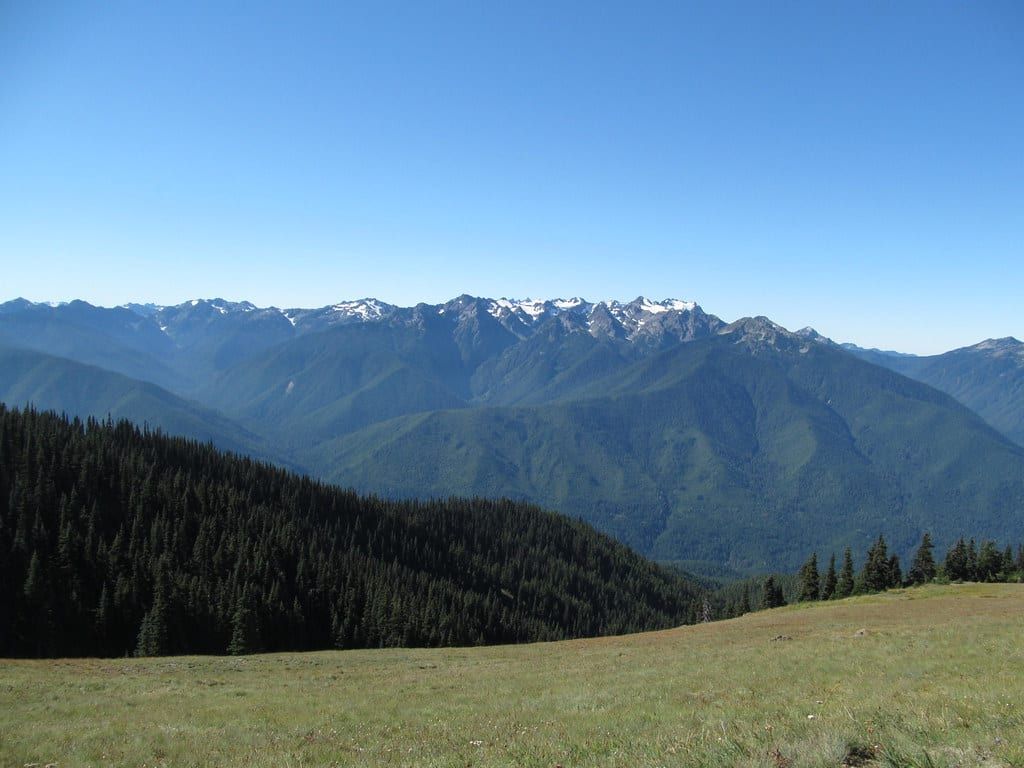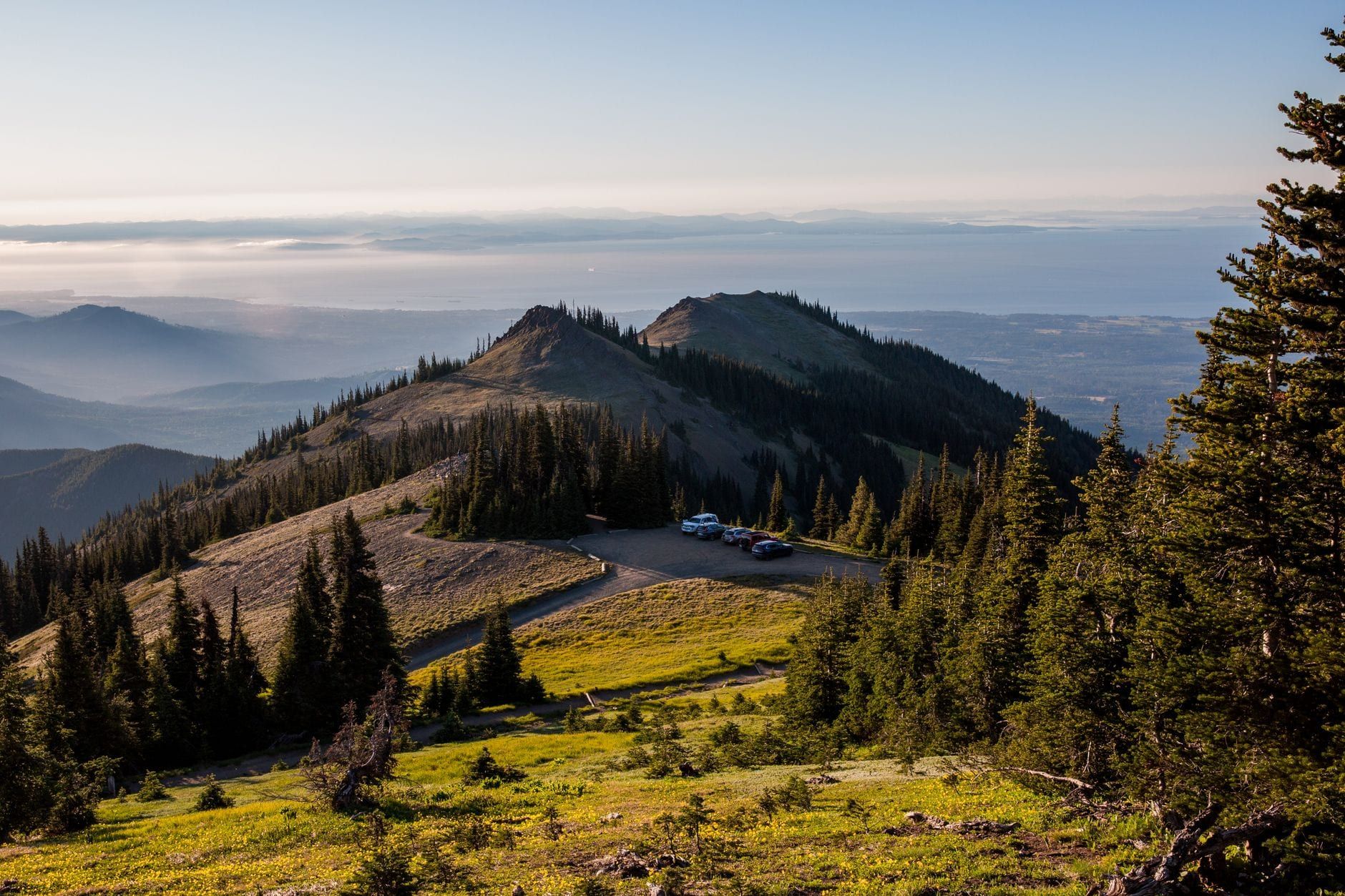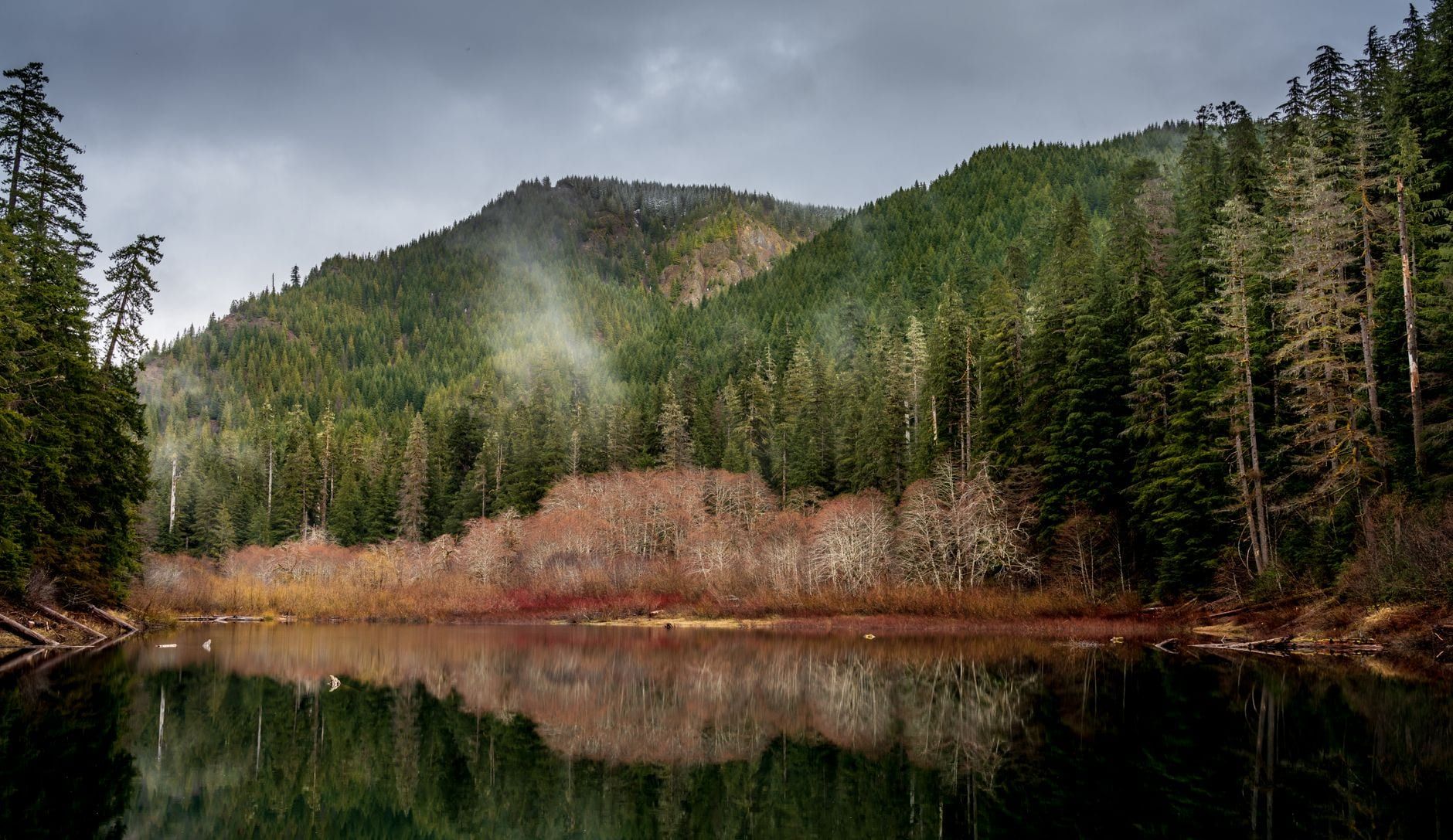
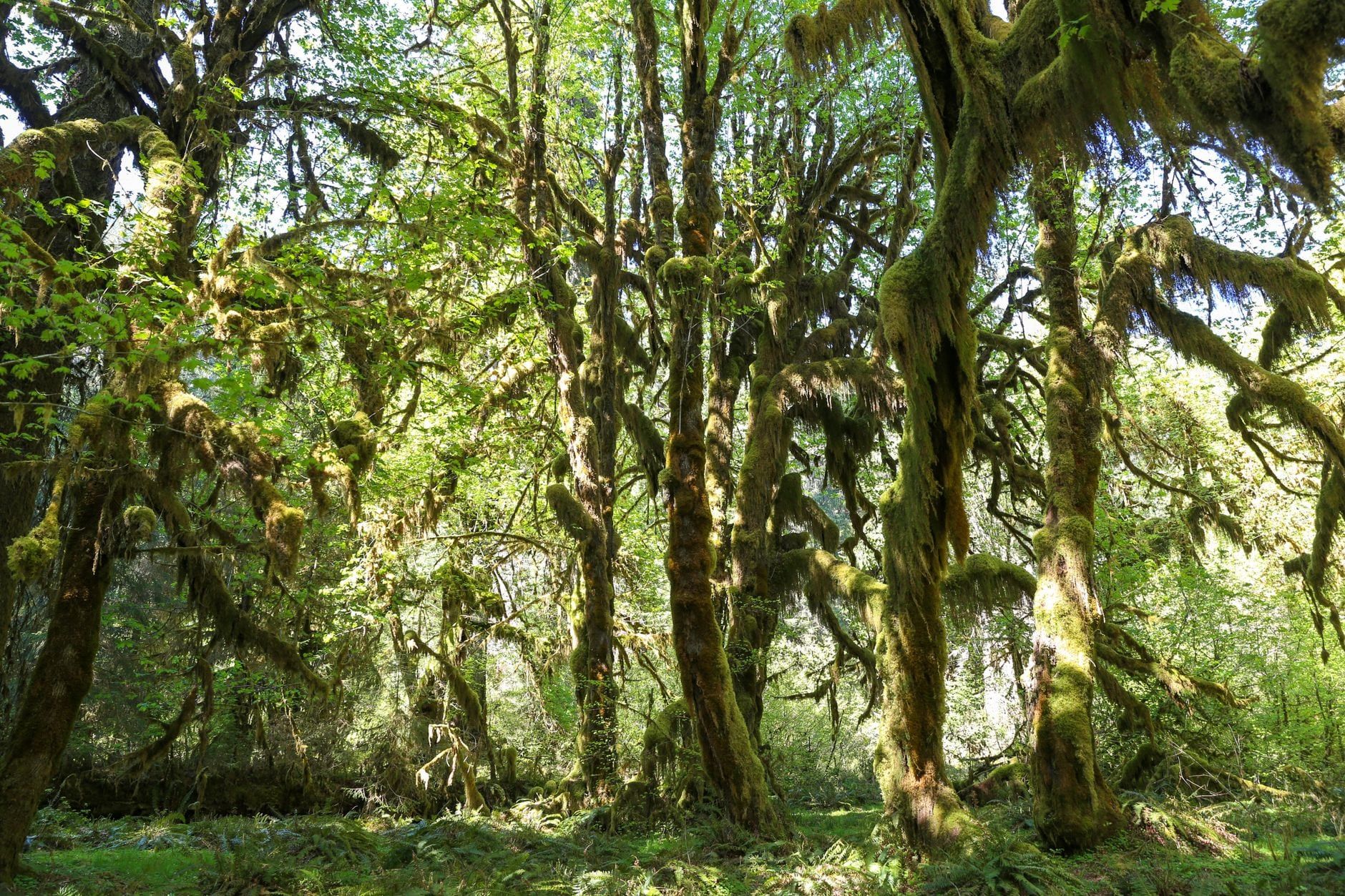
Sixty-two land mammals, 29 marine mammals, roughly 300 birds, and at least 16 animals that exist nowhere else on Earth — all inside a single park boundary. That's the wildlife inventory at Olympic National Park, spread across 922,651 acres of glacier-capped mountains, temperate rainforest, and 73 miles of wild Pacific coast. No other park in the Lower 48 ranges from sea otters in kelp beds to marmots whistling across subalpine meadows in the same day's drive.
This guide covers what you'll realistically see, where to look for it, and how to keep it legal and safe — including the two rules that trip up most visitors (elk are more dangerous than bears here, and mountain goats are gone). If you're still building your trip, start with our three-day Olympic itinerary and fit wildlife watching around it.
Why Olympic's Wildlife Is Unlike Anywhere Else
Olympic works as a wildlife destination because three ecosystems sit inside one boundary: Mount Olympus and its 32 named glaciers, old-growth rainforest pulling nearly 12 feet of rain a year on the western slopes, and a detached strip of coastline where whales migrate past sea stacks. A visitor can watch a varied thrush in the Hoh in the morning and scan for orcas from Rialto Beach that afternoon. The park drew 3.7 million visits in 2024, yet 95% of its acreage is designated Wilderness with no roads, so most animals live far from the crowds.
The odd part of Olympic's wildlife story is what's missing. Continental glaciers isolated the peninsula roughly 13,000 years ago, cutting it off from the mainland and creating an island-like ecosystem where species evolved on their own. Pika, ptarmigan, ground squirrels, lynx, red foxes, wolverine, grizzly bears, and bighorn sheep — all common in other western ranges — never colonized here. In their place evolved endemics like the Olympic marmot and the Olympic torrent salamander, animals found nowhere else on the planet.
Set your expectations accordingly. Some animals here are near-guaranteed: black-tailed deer, Steller's jays, raccoons at coastal campgrounds. Others take luck and diligence — cougars, sea otters, black bears near roads. Timing and habitat do most of the work, and the sections below tell you which is which.
Iconic Animals You're Most Likely to See
These are the animals behind most Olympic wildlife stories. Each profile gives you the ID cues, the habitat, and the specific places worth your morning.
Roosevelt Elk
Elk are the park's signature animal, and they're hard to miss. Roosevelt elk are the largest elk subspecies in North America — bulls reach 1,100 pounds — and Olympic protects the largest unmanaged herd in the Pacific Northwest. That herd was the reason the area became Mount Olympus National Monument in 1909, before the park itself existed.
Most sightings happen in the lower valleys and rainforests at dawn and dusk. The Hoh and Quinault Rain Forests are the reliable spots, and non-migratory herds stay around Dosewallips on Hood Canal year-round. Come in September and you'll hear the rut: bulls bugle across the meadows and spar for cows, which makes for great viewing and short tempers. Keep your distance then — more on that in the safety section.
Olympic Marmot
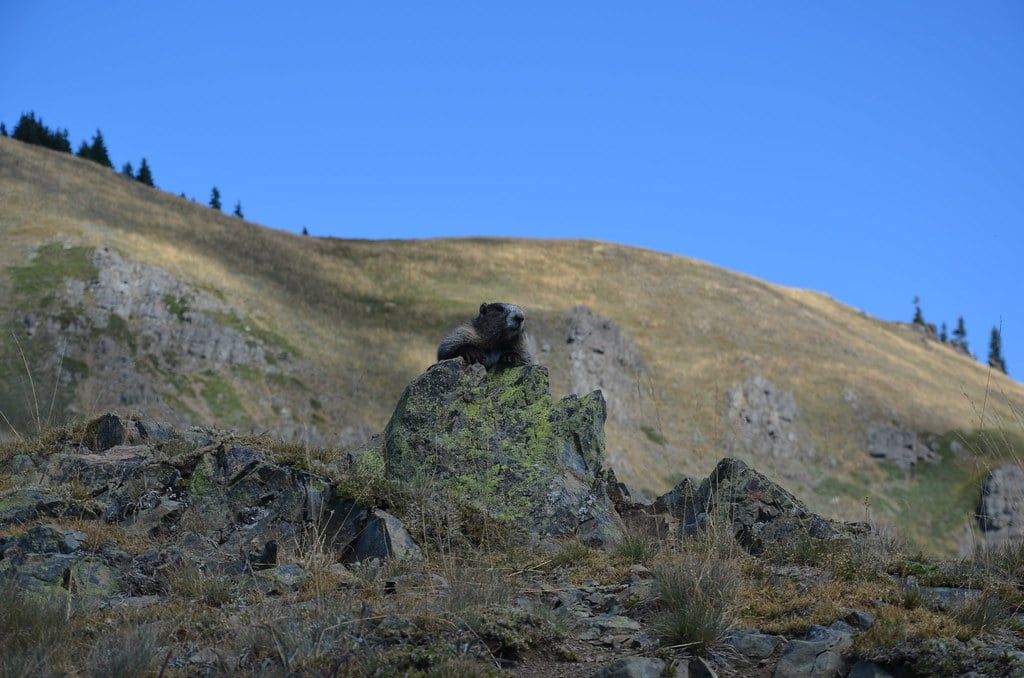
Housecat-sized, golden-brown, and loud — Olympic marmots whistle at intruders from rock piles in mountain meadows above roughly 4,000 feet. They live only in the Olympic Mountains, nowhere else on Earth, and they're most reliably seen in summer near Hurricane Ridge, where they sun themselves on boulders steps from the trails. Winter is a lost cause; they hibernate deep under the snow.
Black Bear
Black bears are the only bear species in the park, and they're shy — most sightings come along backcountry trails, not near roads or visitor centers. Coats run black, brown, or blond, so color alone won't identify one. They spend their days foraging berries and, in fall, shadowing the salmon runs. If you want a chance at a bear, pick a quieter route from our guide to Olympic's best hikes and walk it early.
Black-Tailed Deer and Raccoons
Black-tailed deer are the park's default mammal — you'll see them in nearly every area, most active in morning and evening, often standing along road shoulders. Watch for them while driving; dawn and dusk are when they step into traffic. Raccoons work the coast and front-country campgrounds with professional skill. Nothing protects your dinner from a raccoon except storing it.
River Otter or Sea Otter?
This is the park's most common misidentification, and the fix is simple. River otters — up to 30 pounds, agile on land — live in lakes and rivers; look for them at Lake Crescent and along the Sol Duc, Hoh, and Quinault corridors. They can hold their breath for eight minutes, so a disappearing otter often resurfaces well downstream. Sea otters — up to 65 pounds and four feet long — stay offshore in the Pacific, floating on their backs. They're among the only non-primate mammals known to use tools, cracking shellfish on rocks balanced on their chests. If the otter is in the ocean and on its back, it's a sea otter.
Bobcats and Cougars
Both cats live here, and neither wants to see you. Bobcats and cougars move at dawn and dusk through forest cover, and most visitors' evidence amounts to tracks in mud. Cougar sightings are extremely rare — a handful in a park this size in a given year. Report any cougar or bear sighting to a ranger; they track them.
Birds: From Bald Eagles to Rainforest Songbirds
About 300 bird species occur in the park, from seven-foot-wingspan eagles to a six-inch owl that hunts in daylight. You don't need to be a birder — most of the best birds here announce themselves by sound.
Bald Eagles
The bald eagle is the one everyone asks about. Adults top 14 pounds with a wingspan near seven feet, and they're most often found roosting in trees along the coast and rivers. Early morning and late afternoon are prime hours, when they hunt fish along the shallows. Scan the tall snags near Kalaloch and the river mouths and you'll usually find one within a few minutes.
Northern Pygmy Owl and Sooty Grouse
Two small birds reward patient listeners. The northern pygmy owl stands about six inches tall and hunts birds and rodents in daylight — unusual for an owl — and its repeated call gives away its perch. Male sooty grouse hoot deeply in spring across mountain meadows and forest edges near Hurricane Ridge; the sound carries far, and the bird itself is so well camouflaged you may stare right past it.
Rainforest Songbirds
The Hoh and Quinault rainforests have a soundtrack of their own. The varied thrush delivers a haunting, whistle-like note from deep canopy — you'll hear it before you see it. Pacific wrens run long trills through the understory, and Steller's jays work the campgrounds, bold enough to land on picnic tables. Don't feed them; a fed jay becomes everyone's problem for the rest of the summer.
Marbled Murrelets and Coastal Birds
The marbled murrelet is the bird that makes Olympic birding unusual. This endangered seabird nests high in old-growth canopy, dozens of miles from the ocean, and Olympic's ancient forests are one of its last strongholds. You're more likely to see one flying fast overhead at dawn than perched. Along the coast, black oystercatchers pick through tide pools with bright orange bills, and rhinoceros auklets work the nearshore water. Bring binoculars, stay quiet, and never approach a nest.
Whales, Seals, and Salmon: Wildlife of the Coast and Rivers
The park's coastal strip and rivers add a whole second wildlife park to the mountains. Whales pass within binocular range of the sand, and every fall the rivers themselves become the show.
Whales from Shore
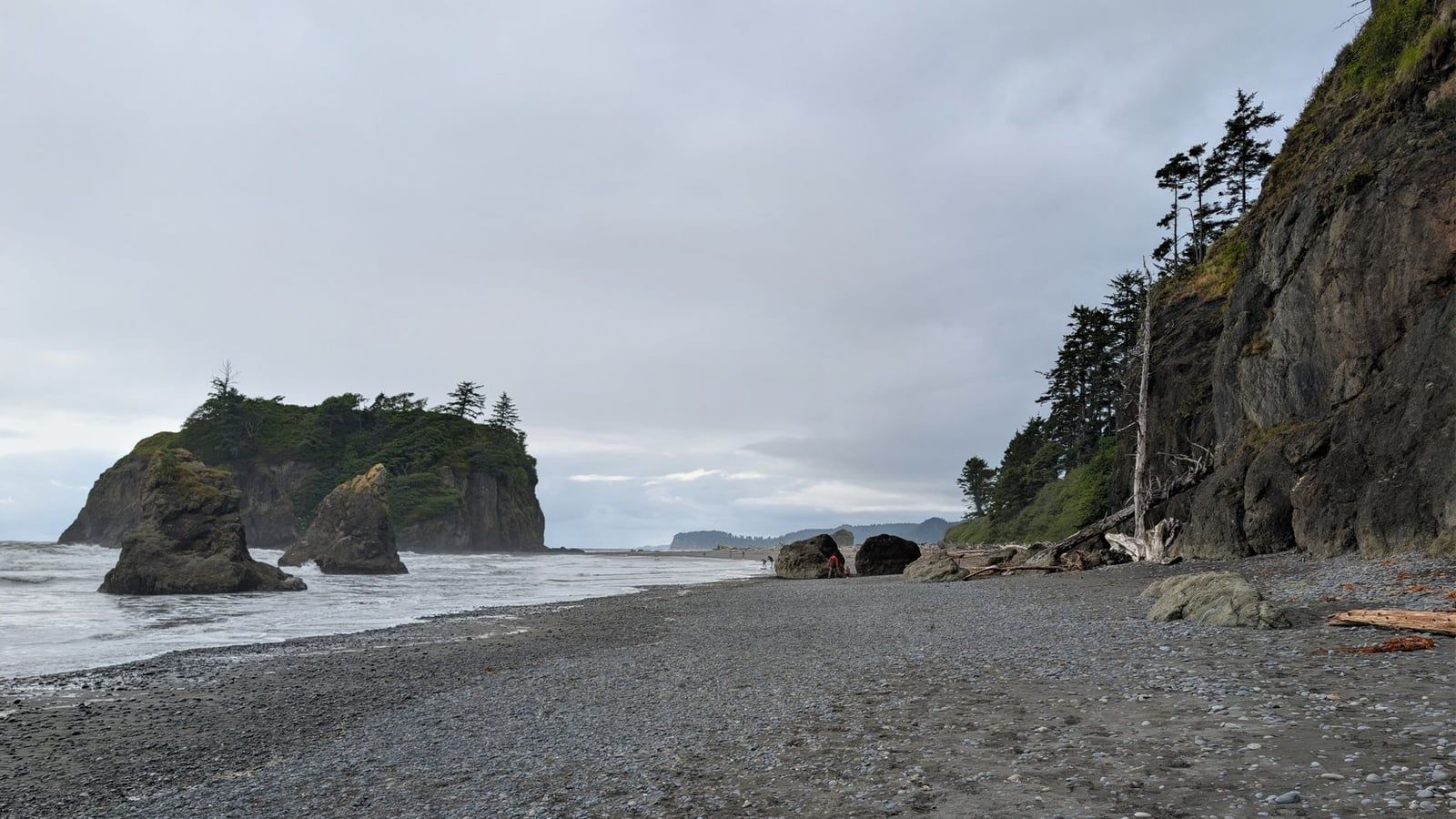
You don't need a boat to watch whales here. Gray whales pass the Olympic coast in April–May and October–November, migrating more than 10,000 miles between Alaska feeding grounds and Baja California, and the park's beaches are the viewing platforms. Kalaloch, Rialto, and Shi Shi Beaches are the prime spots — pick a high vantage above the surf line and scan for blow plumes. Grays grow to 60 feet and 30-plus tons, so a spout is visible from a long way off.
Orcas show up in summer and fall, humpbacks in fall, and harbor porpoises in summer, all from the same beaches. Our guide to Olympic's beaches covers access details for each stretch of coast. Whatever the season, check a tide chart before any beach walk — the NPS warns visitors every year about being trapped by high tides against the headlands.
Seals, Sea Lions, and Sea Otters
Just offshore, the Pacific feeds a full marine cast: harbor seals, Steller's sea lions, dolphins, and the true sea otters described earlier. Some haul out on the coast's rocks and islands to rest and moult, so a distant sandbar dotted with dark shapes is usually a haul-out. Give it space — the 100-yard marine mammal buffer applies from shore too, and binoculars get you closer than any walk down the beach will.
Tide Pools
At low tide, the park's rocky shelves turn into aquariums: sea stars in orange and purple, anemones waving green tentacles, urchins tucked into pockets of water. Ruby Beach and Rialto are the easy access points. Look, but don't touch — prying an animal off a rock can kill it, and wet coastal rock is where visitors slip. Our tide pool guide covers timing and the best spots.
Salmon Runs
Olympic's rivers hold all five species of Pacific salmon plus steelhead and bull trout, and the fall runs draw everything that eats fish — eagles, otters, bears — to the same banks. The Salmon Cascades Overlook in the Sol Duc Valley is one of the best viewpoints, with salmon hurling themselves upstream from late September to early October. It's a short roadside stop, and it delivers.
Endemic Species: Animals That Live Nowhere Else on Earth
Roughly 13,000 years ago, ice cut the Olympic Peninsula off from the rest of the continent, and the animals stranded here evolved in isolation. The result: at least 16 endemic animal species, several of which you can find without much effort — and an equally famous list of species that never made it here at all.
The star is the Olympic marmot, Washington's official endemic mammal since 2009. Its hibernation is extreme — heart rate can drop to 3–4 beats per minute through the snow season. Its future is less secure: coyote predation linked to shrinking snowpack is a documented threat, which makes every roadside sighting at Hurricane Ridge feel a bit earned.
Smaller endemics are easier to find than you'd think. The Olympic chipmunk, under a pound and sharply striped, works the subalpine forest edges at Hurricane Ridge and will probably investigate your lunch spot. The Olympic torrent salamander lives in cold, clear streams; it has reduced lungs and breathes mostly through its skin, and when disturbed it flips over to flash a yellow underside. Two curiosities round out the list: the arionid jumping slug, which escapes predators by breaking its own slime trail with a twitchy 'jump,' and the Olympic short-tailed weasel, which stays brown year-round instead of turning white in winter.
When and Where to See Wildlife: A Season-by-Season Guide
One rule outranks everything: dawn and dusk beat midday for nearly every species in this park. Elk, deer, bears, river otters, and songbird activity all peak in the low light, while midday belongs to marmots and jays. Beyond that, match the season to the animal.
| Season | Wildlife highlights | Where to look |
|---|---|---|
| Spring | Gray whales migrating; elk calves; varied thrush and wrens in full voice | Kalaloch, Rialto, Shi Shi Beaches; Hoh and Quinault Rain Forests |
| Summer | Marmots, sooty grouse, black bears; orcas and harbor porpoises offshore | Hurricane Ridge trails; Sol Duc and backcountry; coastal overlooks |
| Fall | Elk rut bugling in September; salmon leaping; humpbacks; second whale window | Hoh and Quinault meadows; Salmon Cascades Overlook; coastal beaches |
| Winter | Elk herding into lowland valleys; quiet forests; no marmots (hibernating) | Dosewallips on Hood Canal; Hoh valley; Lake Crescent shores |
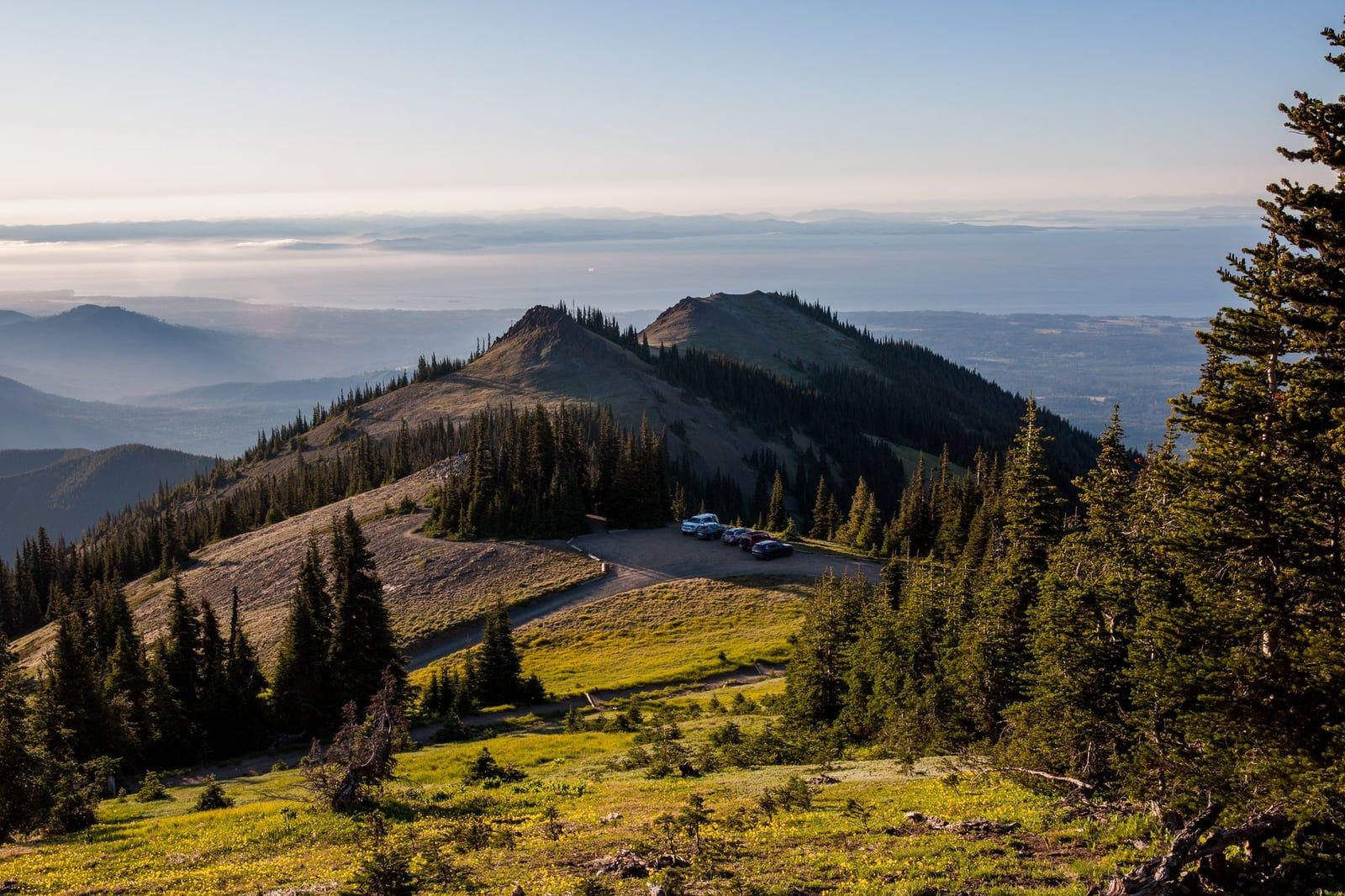
A few locations carry most of the load. Hurricane Ridge covers marmots, chipmunks, grouse, and your best odds of a bear sighting near a road. The Hoh and Quinault valleys own the elk. Sol Duc owns the salmon. Lake Crescent and the Sol Duc River hold river otters. The coast handles whales, seals, and tide pools. If you're weighing months against weather and crowds, our month-by-month guide to visiting Olympic pairs well with this calendar.
- Binoculars — the single most useful item you can carry
- A zoom or telephoto lens instead of walking closer
- Field guides for birds and mammals
- A tide chart for any coastal trip, free at visitor centers
- A stop at a visitor center to ask rangers for fresh sightings
One habit to avoid: view and drive. NPS specifically warns against watching animals from a moving car, which causes accidents and congestion on roads where elk and deer step out at dawn. Use the pullouts, park fully, and get out with your binoculars.
Wildlife Safety: Rules, Distances, and What to Do in an Encounter
The distance rules are simple and federal. Stay at least 150 feet — 50 yards — from all wildlife, and 100 yards from marine mammals under the Marine Mammal Protection Act. The test that never fails: if the animal moves because of you, you're too close. Back up.
Feeding wildlife is prohibited under 36 CFR §2.2, and that includes touching, teasing, calling, or intentionally disturbing animals — even with a phone app that mimics a call. Fines can reach $5,000. The rule isn't just about bread crusts, either: 'biodegradable' scraps still teach animals to associate people with food, and a fed raccoon or jay becomes an aggressive one. In the backcountry, all food and scented items must go in a bear canister, available at Wilderness Information Centers. In front-country campgrounds, raccoons and rodents are the real threat, so lock everything in the car or a food locker.
The counterintuitive one: elk are among the most dangerous animals in the park, per NPS. Bulls are unpredictable during the September rut, and cows will charge to defend calves in spring. If you meet elk on a trail, make noise, avoid eye contact, and move away slowly — do not turn and run. Give antlered bulls and any cow with a calf an extra-wide berth.
Black bear encounters are rare, but know the protocol. Speak loudly, make yourself look large, and back away slowly; never run, and stand your ground with noise if the bear approaches your food. Cougar encounters are rarer still: maintain eye contact, do not run, look big, pick up small children, and back away slowly. Report every bear and cougar sighting to a ranger.
Two last rules that get missed. Photography: use the zoom lens from distance; baiting animals with food or calling them in with apps counts as harassment under the same regulation as feeding. And if you find a dead, injured, or distressed animal, report it to a ranger rather than intervening — even a seemingly stranded seal pup on the beach is usually just waiting for its mother.
Frequently asked questions
Are there grizzly bears in Olympic National Park?
No. Black bears are the only bear species in the park, and they come in black, brown, or blond coats. Grizzly bears — like pika, ptarmigan, lynx, red foxes, wolverine, and bighorn sheep — never occurred on the isolated Olympic Peninsula. Black bears are shy and most often seen along quiet backcountry trails.
What is the best time of year to see wildlife in Olympic National Park?
Wildlife is present year-round, but late spring through fall offers the most variety: gray whales in April–May and October–November, marmots in summer before they hibernate, the elk rut in September, and salmon runs from late September to early October. Within any day, dawn and dusk are the most active hours.
Where are the best places to see wildlife in Olympic National Park?
Hurricane Ridge for marmots, bears, and grouse; the Hoh and Quinault Rain Forests for Roosevelt elk; Salmon Cascades Overlook in the Sol Duc Valley for salmon; Kalaloch, Rialto, and Shi Shi Beaches for whales and tide pools; Lake Crescent and the Sol Duc River for river otters; and Dosewallips on Hood Canal for year-round elk herds.
How close can you legally get to wildlife in Olympic?
Stay at least 150 feet (50 yards) from all wildlife and 100 yards from marine mammals. If an animal moves because of you, you're too close. Feeding, approaching, or harassing wildlife — including with calling apps — is prohibited under 36 CFR §2.2, with fines up to $5,000.
Are there mountain goats in Olympic National Park?
Not anymore. Mountain goats were introduced in the 1920s and are not native to the peninsula; the park relocated them out in a multi-year removal program, so you're unlikely to see one inside Olympic today. The Olympics' true mountain specialty is the endemic Olympic marmot.
What should I do if I see a bear or a cougar?
For a black bear: speak loudly, make yourself look large, and back away slowly — never run. If it approaches your food, stand your ground and make noise. For a cougar (sightings are very rare): maintain eye contact, don't run, look big, pick up small children, and back away slowly. Report all bear and cougar sightings to rangers.
What is the most dangerous animal in Olympic National Park?
Counterintuitively, the Roosevelt elk. NPS calls elk one of the most dangerous animals in the park: bulls are unpredictable during the September rut, and cows aggressively defend calves in spring. Give them a wide berth; if one blocks a trail, make noise, avoid eye contact, and move away slowly.
Can you see whales from shore in Olympic National Park?
Yes. Gray whales pass in April–May and October–November, with Kalaloch, Rialto, and Shi Shi Beaches the prime shore-based viewpoints. Orcas are possible in summer and fall, humpbacks in fall. Always check a tide chart before hiking any beach, since headlands are only passable at lower tides.